
How a large-scale infrastructure project avoided years of permitting, preserved valuable land, and transformed wastewater into a reusable resource.
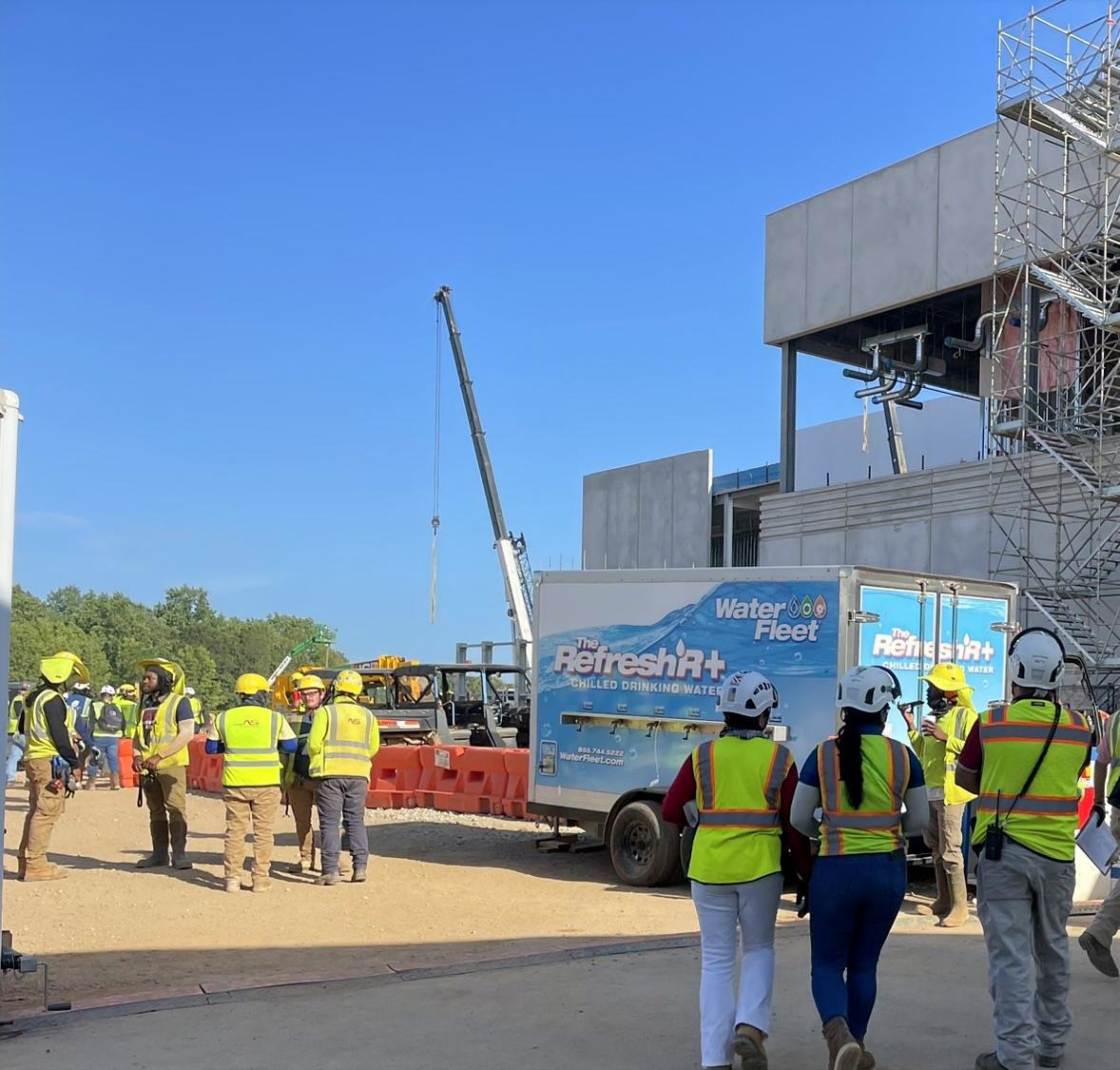
When major infrastructure projects break ground, supporting the workforce can be just as critical as the construction itself. Providing housing, sanitation, and reliable utilities for thousands of workers often becomes a project on its own.
A recent large-scale infrastructure project faced exactly that challenge. To protect client confidentiality, specific project details have been omitted, but the results demonstrate how decentralized wastewater treatment can accelerate project schedules while delivering lasting operational and sustainability benefits.
The Challenge
The project required a workforce camp capable of supporting approximately 4,000 personnel on an accelerated timeline.
The original wastewater strategy relied on constructing approximately 80 acres of wastewater lagoons and obtaining a permanent wastewater operating permit—a process expected to take one to two years before the camp could become fully operational.
Beyond the lengthy permitting timeline, the lagoon approach would have consumed valuable project acreage, created long-term remediation requirements after project completion, and introduced odor concerns associated with open-air wastewater storage.
The project team needed a solution that could be deployed quickly without sacrificing environmental performance or regulatory compliance.
The Solution
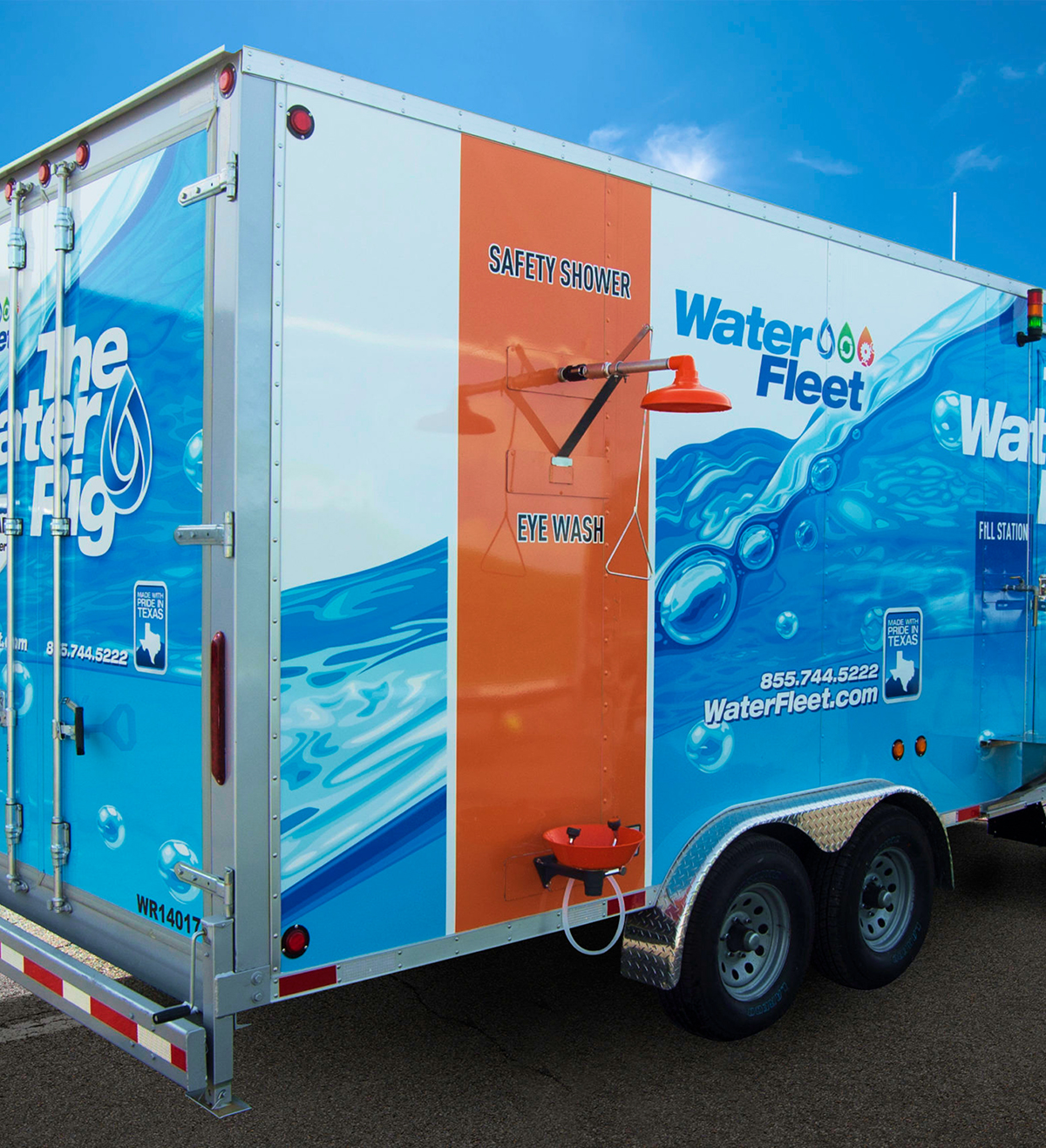
WaterFleet deployed a packaged membrane bioreactor (MBR) wastewater treatment system supported by a temporary wastewater permit, allowing the workforce camp to begin operating far sooner than a conventional lagoon-based approach.
Instead of storing wastewater in large lagoons, the MBR system continuously treated wastewater on-site to a standard suitable for non-potable reuse. The treated water was then reused throughout the construction project for activities such as:
- Concrete mixing
- Dust suppression
- Soil compaction
- Irrigation
Treating wastewater where it was generated also eliminated the need for off-site wastewater hauling. By reusing up to 400,000 gallons of treated wastewater each day, the project avoided thousands of gallons of wastewater being transported by truck; reducing site traffic, lowering diesel emissions, minimizing road wear, and improving overall jobsite efficiency.
The result was a compact, rapidly deployable wastewater solution that supported both construction productivity and sustainability goals from day one.
The Results
The onsite wastewater treatment system delivered measurable operational and environmental benefits.
Accelerated Project Schedule
The project avoided an estimated one to two years of lagoon construction and permanent permitting, allowing the workforce camp to become operational significantly sooner.
Preserved Valuable Site Space
Replacing approximately 80 acres of wastewater lagoons with a compact treatment system preserved 78 acres for higher-value project use.
Eliminated Future Remediation
Without large wastewater lagoons, the project also avoided the environmental remediation and restoration activities typically required once construction was complete.
Up to 400,000 Gallons Reused Every Day
The MBR system treated and reused up to 400,000 gallons of wastewater per day, reducing freshwater demand while providing a dependable water source for essential construction activities.
Reduced Truck Traffic and Emissions
By eliminating the need to haul wastewater off-site, the project reduced heavy truck traffic, associated greenhouse gas emissions, fuel consumption, road wear, and congestion around the jobsite.
Improved Workforce Experience
Because wastewater was treated in a closed, modern treatment system instead of open lagoons, the project also avoided the odor issues commonly associated with traditional lagoon infrastructure.
A Smarter Approach to Construction Water Infrastructure
For large construction projects, wastewater doesn’t have to be a bottleneck.
By combining decentralized treatment technology with temporary permitting, WaterFleet helps projects transform wastewater into a reusable resource that supports construction from start to finish.
Whether supporting workforce camps, data centers, industrial facilities, or other large-scale developments, onsite wastewater treatment provides a faster, more sustainable alternative to traditional wastewater infrastructure.
Recent Comments