
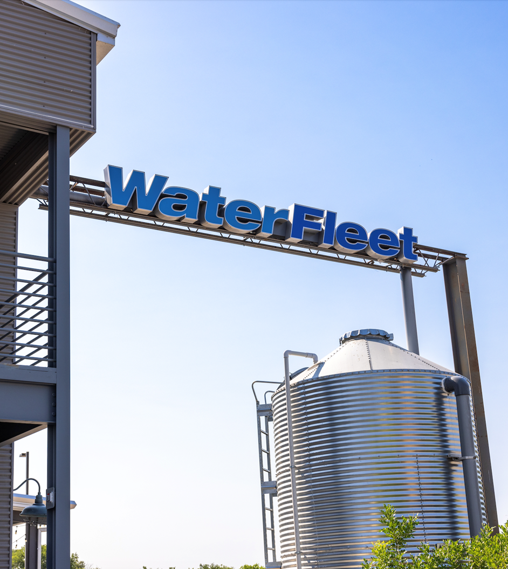
Sustainability doesn’t always come from massive overhauls or high-cost investments. Sometimes, it’s the quiet, everyday systems working in the background that create the biggest long-term impact. At WaterFleet HQ, sustainability is built into how we operate, how resources are used, and how people interact with the space.
Turning Water Waste into a Resource
Water is one of the most overlooked opportunities in building operations. At our headquarters, we’ve taken a systems-based approach to capturing and reusing it.
A rain collection basin gathers runoff and AC condensate. In hot climates like San Antonio, HVAC systems generate a surprising amount of water, and reclaiming it turns a byproduct into a valuable resource.
That collected water feeds directly into our landscape irrigation systems, reducing reliance on municipal water and lowering overall consumption.
Smarter Energy Use with LED + Motion Sensors
Lighting is one of the easiest sustainability wins and we utilize LEDs throughout the office, significantly reducing energy demand compared to traditional bulbs. But the real efficiency comes from pairing energy-efficient bulbs with motion sensors.
Lights turn on only when spaces are in use and power down automatically when they’re not. This ensures energy is only used when it’s actually needed.
It’s a simple system, but over time, the energy savings add up in a meaningful way.
Rethinking Hydration: Refillable Water Stations
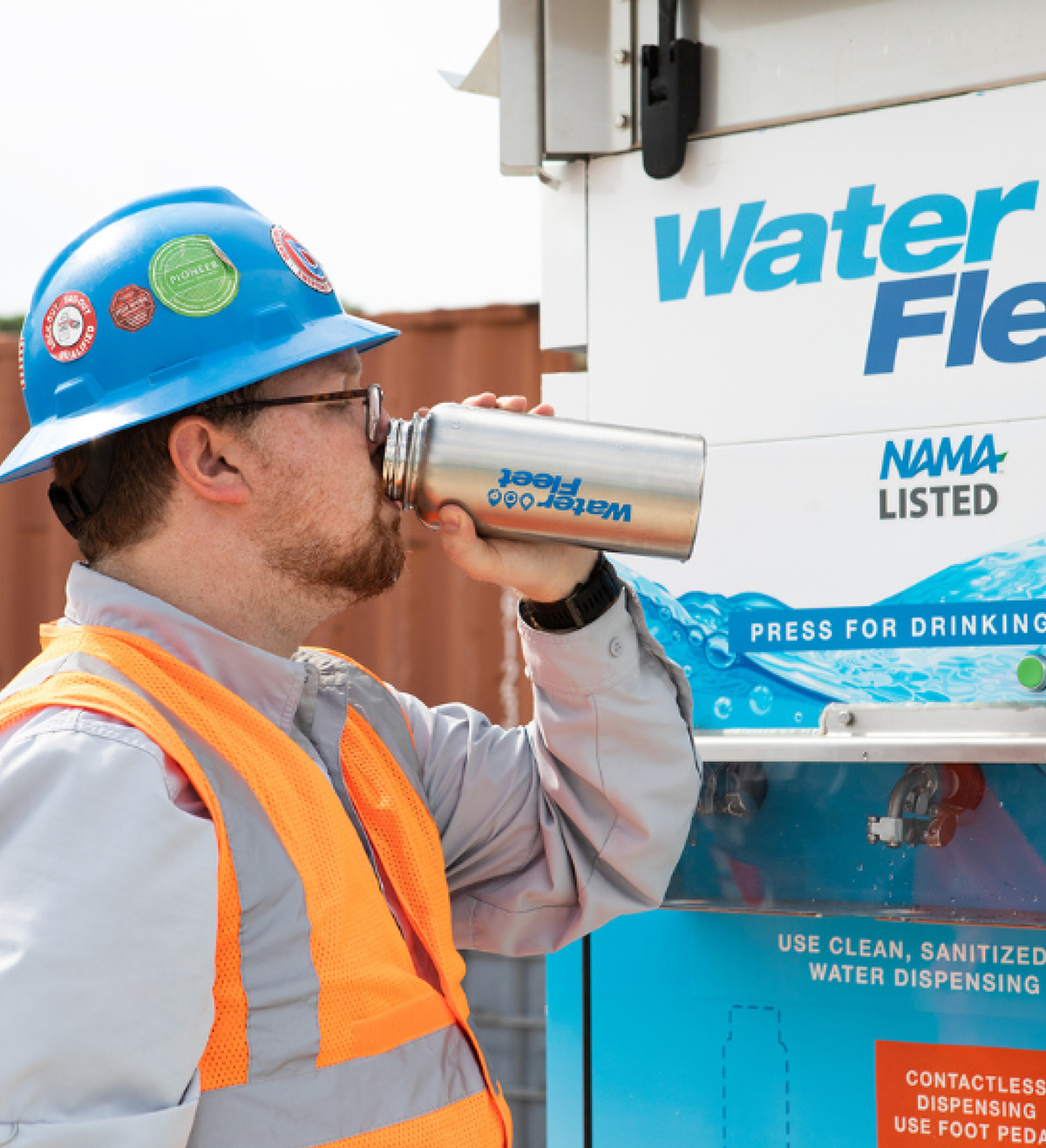
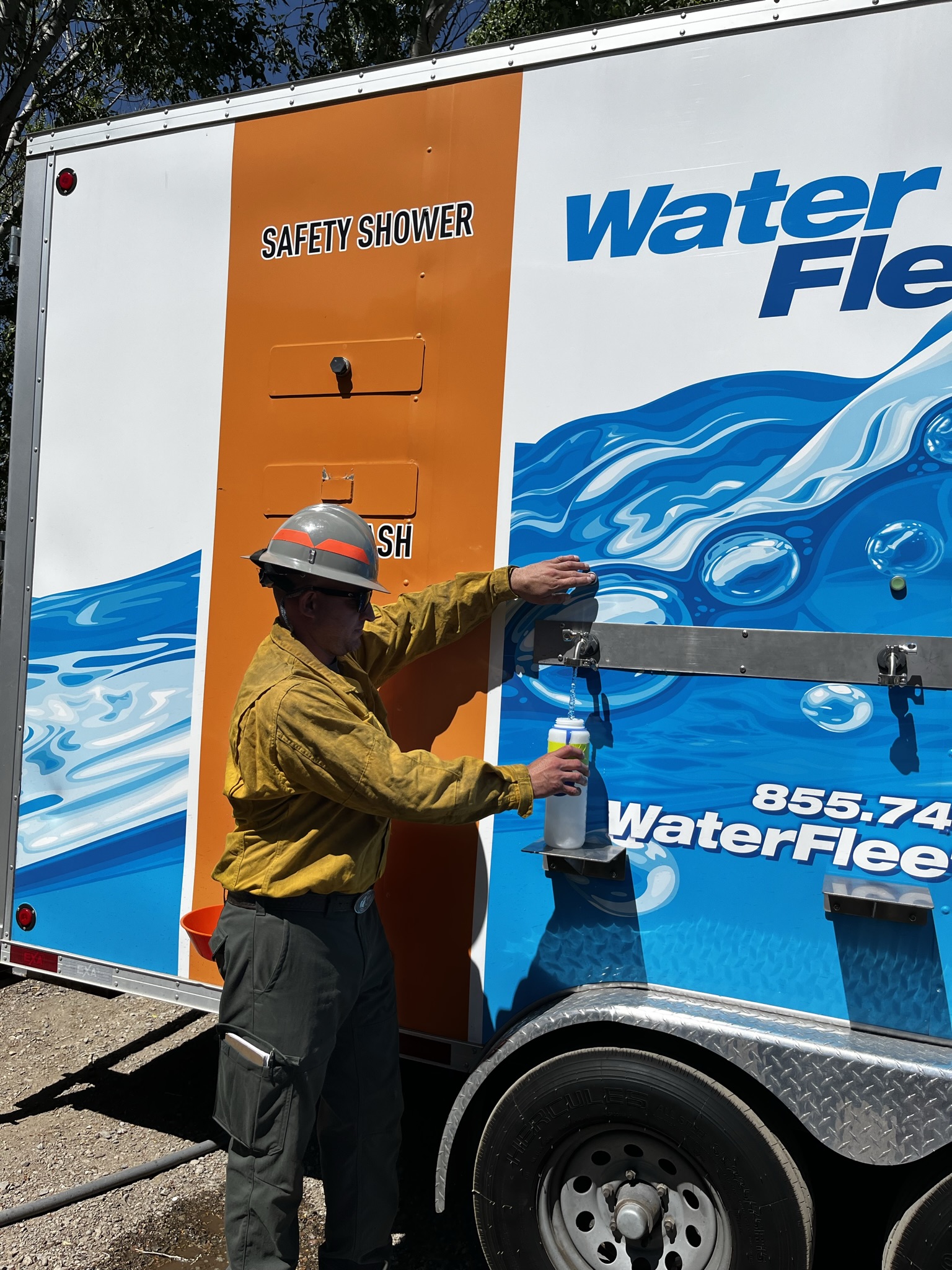
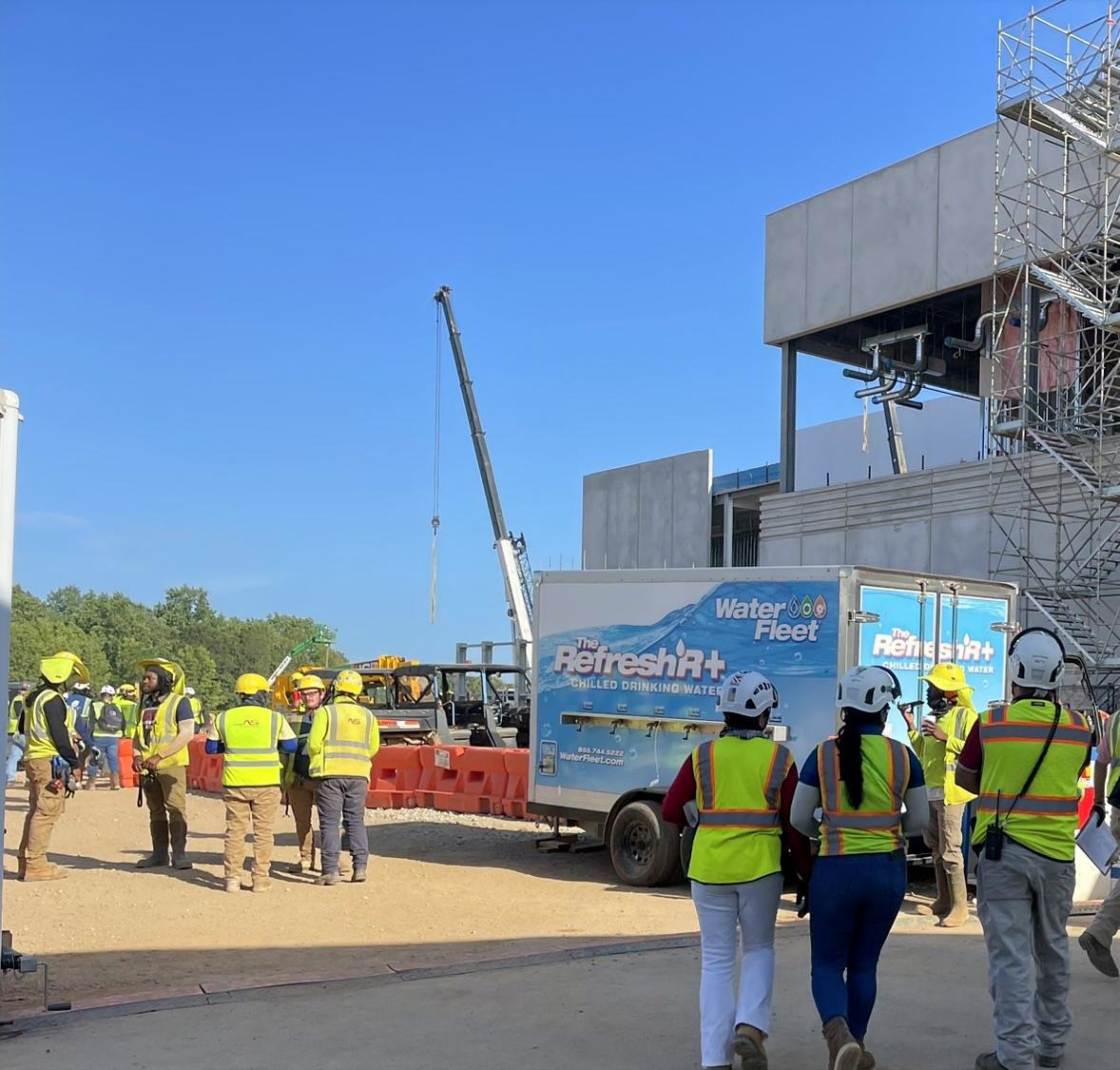
Single-use plastics are a persistent issue in workplaces. Instead of relying on bottled water, WaterFleet promotes a better alternative: refillable water stations.
These stations make it easy and convenient for employees and visitors to form better habits simply by being available.
The Bigger Picture
What ties all of these systems together is intentional design. None of these solutions are flashy on their own—but together, they create a workplace that:
- Uses fewer resources
- Produces less waste
- Encourages better daily habits
Sustainability at WaterFleet HQ isn’t a one-time initiative, it’s built into our infrastructure.
Recent Comments