
The Data Center Boom Is Bigger Than You Think
Research is now showing that data centers are more than just buildings—they’re catalysts for economic change.
As AI adoption accelerates, thousands of new facilities are being planned across the U.S., especially in states like Texas. But we’re only recently beginning to track what happens around them.
This is where the “halo effect” comes in.
What Is the Data Center Halo Effect?
In simple terms, the halo effect describes how one investment creates ripple effects that influence everything around it.
In the case of data centers, that means:
- Attracting new businesses
- Driving infrastructure investment
- Creating construction and long-term jobs
- Expanding local tax bases
Once a data center lands in a region, it often pulls an entire ecosystem with it, including cloud providers, AI startups, and suppliers.
The Positive Halo: Economic and Industrial Growth
For communities, the upside can be significant.
1. Job Creation (Especially in Construction)
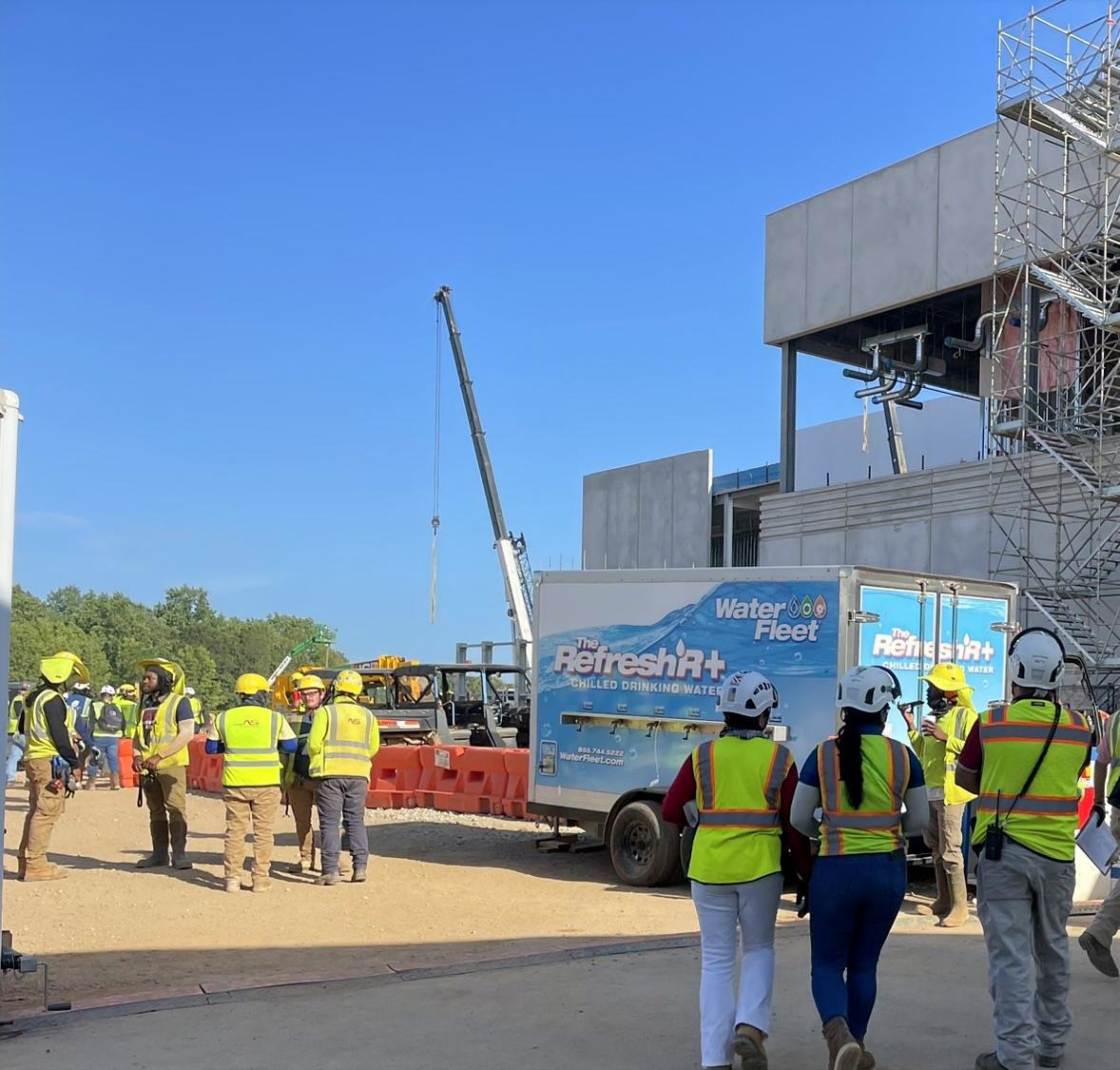
Data centers are massive builds that require skilled labor, engineering, and specialized trades.
Much of the employment impact happens during construction, which can last years.
2. Regional Tech Clusters
Once infrastructure is in place, other tech companies follow. This clustering effect can transform local economies into innovation hubs.
3. Tax Revenue and Infrastructure Investment
Local governments often benefit from increased property tax revenue and upgraded utilities. Roads, fiber, and power upgrades built for data centers can also support broader economic growth.
The Hidden Side of the Halo
As data centers scale, they can cause undue stress on local resources.
1. Water Demand Is Massive
Cooling systems can consume enormous volumes of water, especially in hot regions like Texas.
Many new facilities are being built in already water-stressed areas.
2. Energy Strain and Emissions
Data centers require constant power—sometimes equivalent to entire cities.
That demand can:
- Increase pressure on local grids
- Drive up electricity costs
- Increase reliance on fossil fuel backup systems
3. Community Impact and Pushback
Residents are increasingly questioning whether the benefits outweigh the costs, in some cases, even placing moratoria on new data center builds.
Concerns include:
- Rising utility costs
- Noise and land use
- Environmental and public health impacts
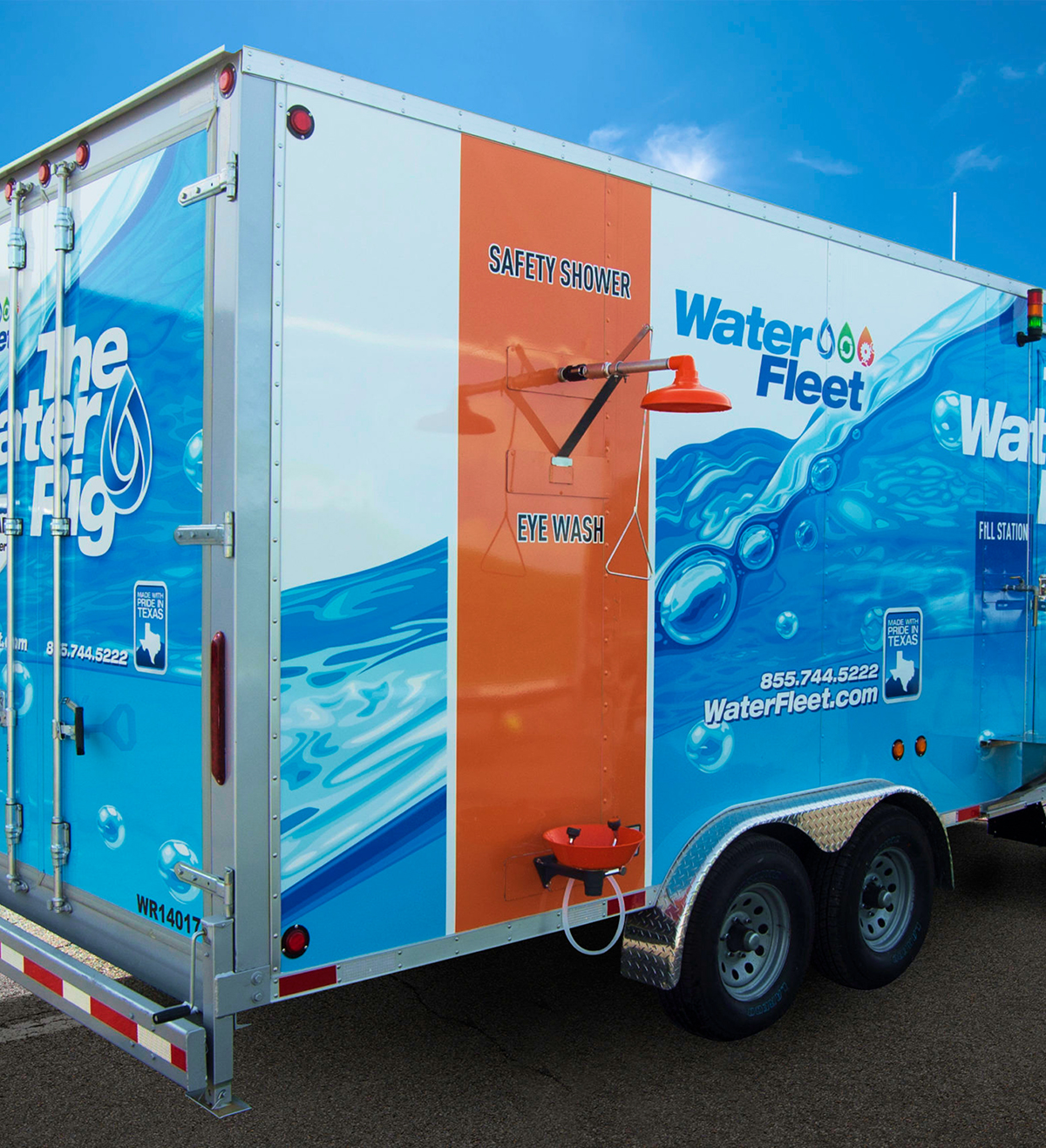
The Water Halo: Where Waterfleet Fits In
While data centers bring economic momentum, water is the constraint that determines whether that momentum is sustainable.
Why Water Strategy Matters:
- Cooling systems depend on consistent, reliable water access
- Communities expect responsible resource use
- Regulations are tightening around water consumption
Without a clear water strategy, the halo effect can quickly turn into friction.
Turning the Halo Into a Flywheel
The most forward-thinking developers are shifting from reactive to proactive.
Instead of asking “How do we get enough water?”
They’re asking “How do we use water better?”
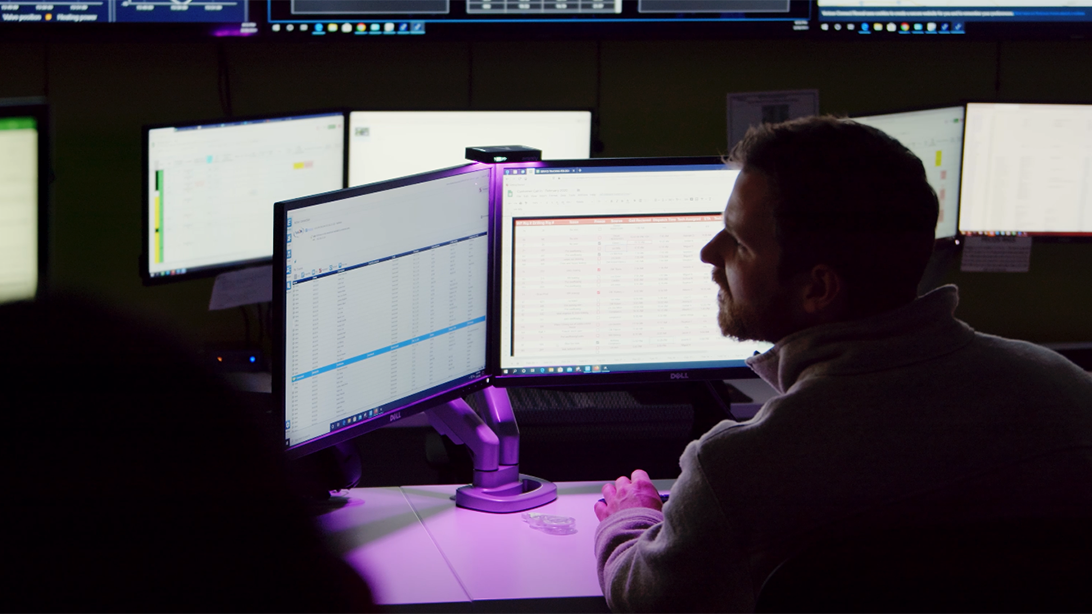
And it’s where solutions like smart water management, reuse systems, and on-site treatment become critical.
The Future: Responsible Halo Effects
Data centers will continue to expand. That’s not in question.
What is in question is how they integrate into the communities that host them.
The next phase of the industry will be defined by balance:
- Growth and resource stewardship
- Innovation and community trust
- Scale and sustainability
Increasingly, value will be measured by something simple: how well they manage our natural resources.








Recent Comments