
For decades, wastewater was treated as a disposable byproduct—collected, transported, and discharged with little thought beyond compliance. But as water scarcity intensifies and infrastructure ages, a quiet revolution is underway: wastewater is being redefined as a resource, not a liability.
One of the most exciting frontiers in this shift are onsite wastewater recycling solutions. These systems, once considered niche or experimental, are now proving themselves at scale. They can deliver benefits that span sustainability, operational resilience, and cost savings.
The Shift Toward Decentralization
Conventional municipal wastewater treatment infrastructure was designed with population density and proximity in mind. But on remote industrial sites, construction projects, or temporary housing facilities, centralized solutions are not often feasible. Trucking off wastewater increases carbon emissions, costs, and the likelihood of potentially dangerous spills.
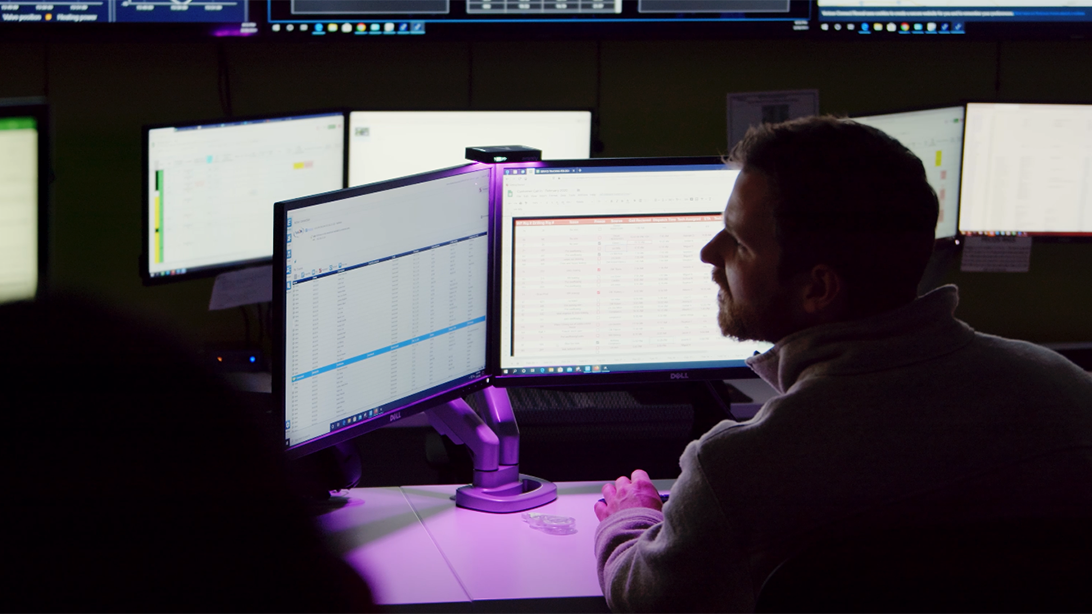
Decentralized systems that treat and recycle wastewater directly at the point of use are changing the equation. With advancements in modular filtration, biological treatment, and real-time monitoring, onsite reuse is now both technically achievable and economically smart.
Reuse in Action
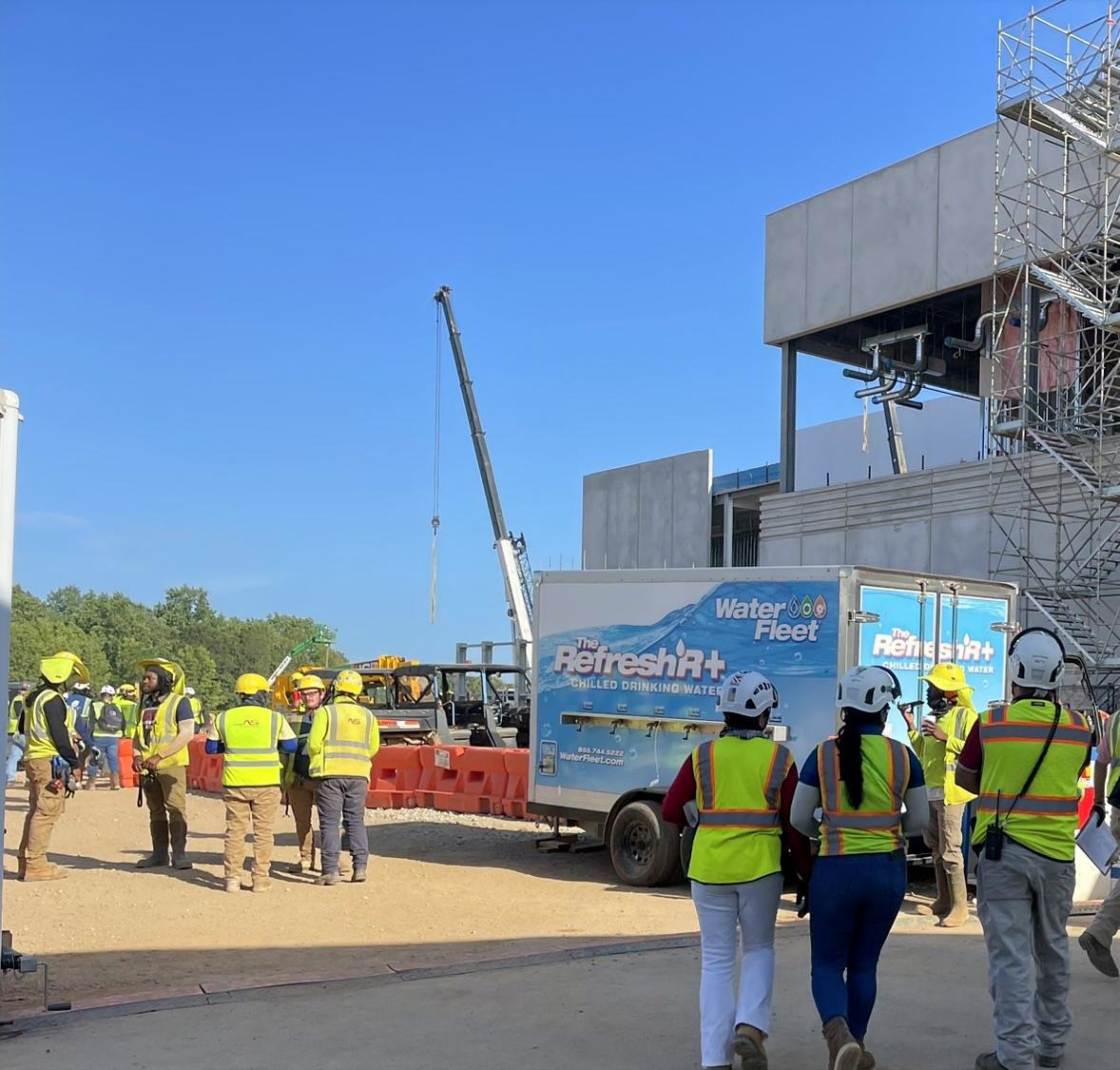
In construction, mining, oil and gas, and even data centers, companies are adopting onsite reuse strategies to reduce their freshwater draw. Treated wastewater is commonly reused for dust control, drilling support, equipment washdowns, and even in some industrial cooling processes.
The environmental impacts are significant:
- Reduced water withdrawals from stressed aquifers or municipal systems
- Lower greenhouse gas emissions from hauling and pumping
- Improved site resiliency, especially in remote or drought-prone areas
And in an era where regulatory pressures and public scrutiny are growing, companies are also seeing reputational gains by taking a proactive stance on water stewardship. Not to mention, the cost savings seen when turning a waste stream into a reuse stream.
Technology Driving Innovation
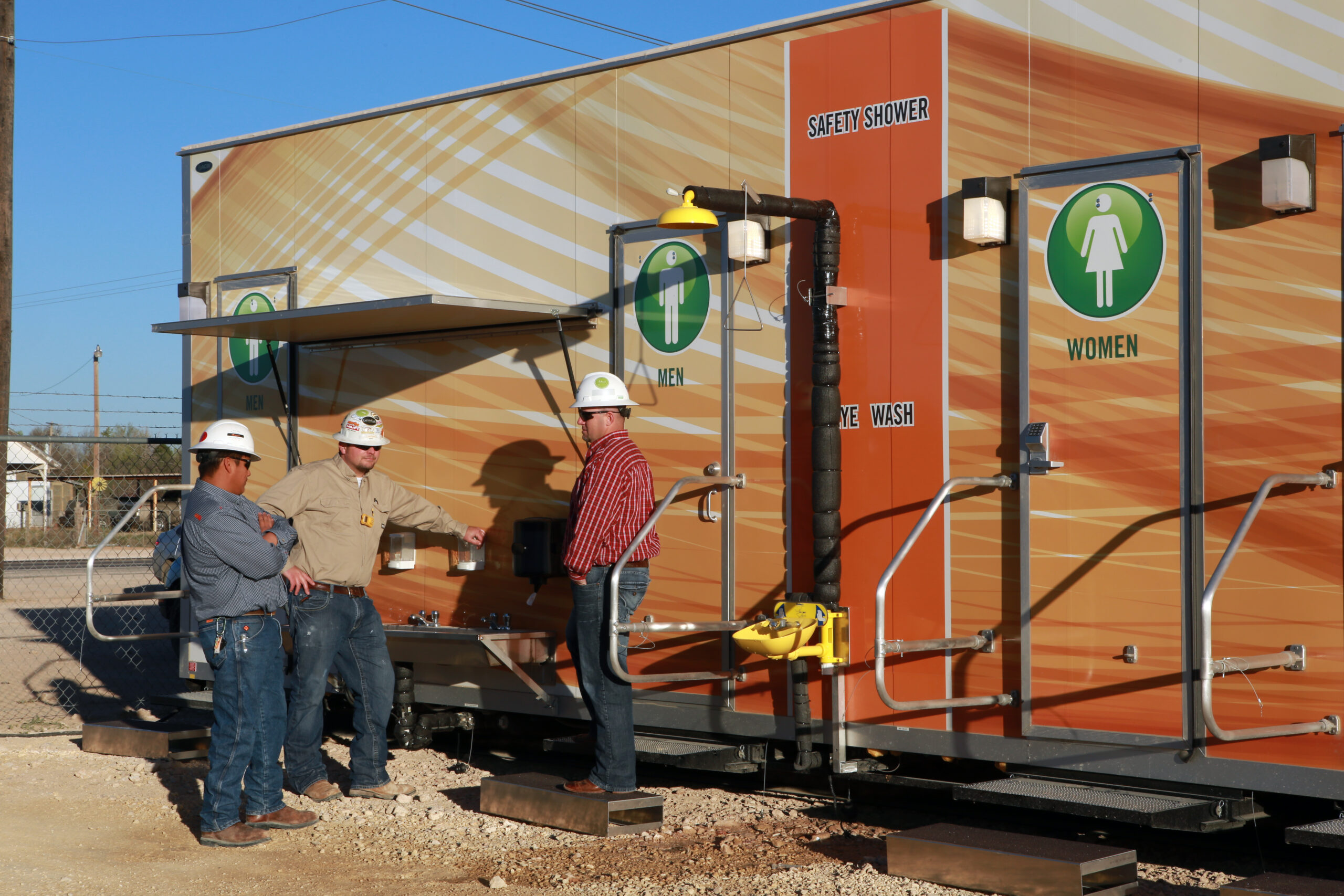
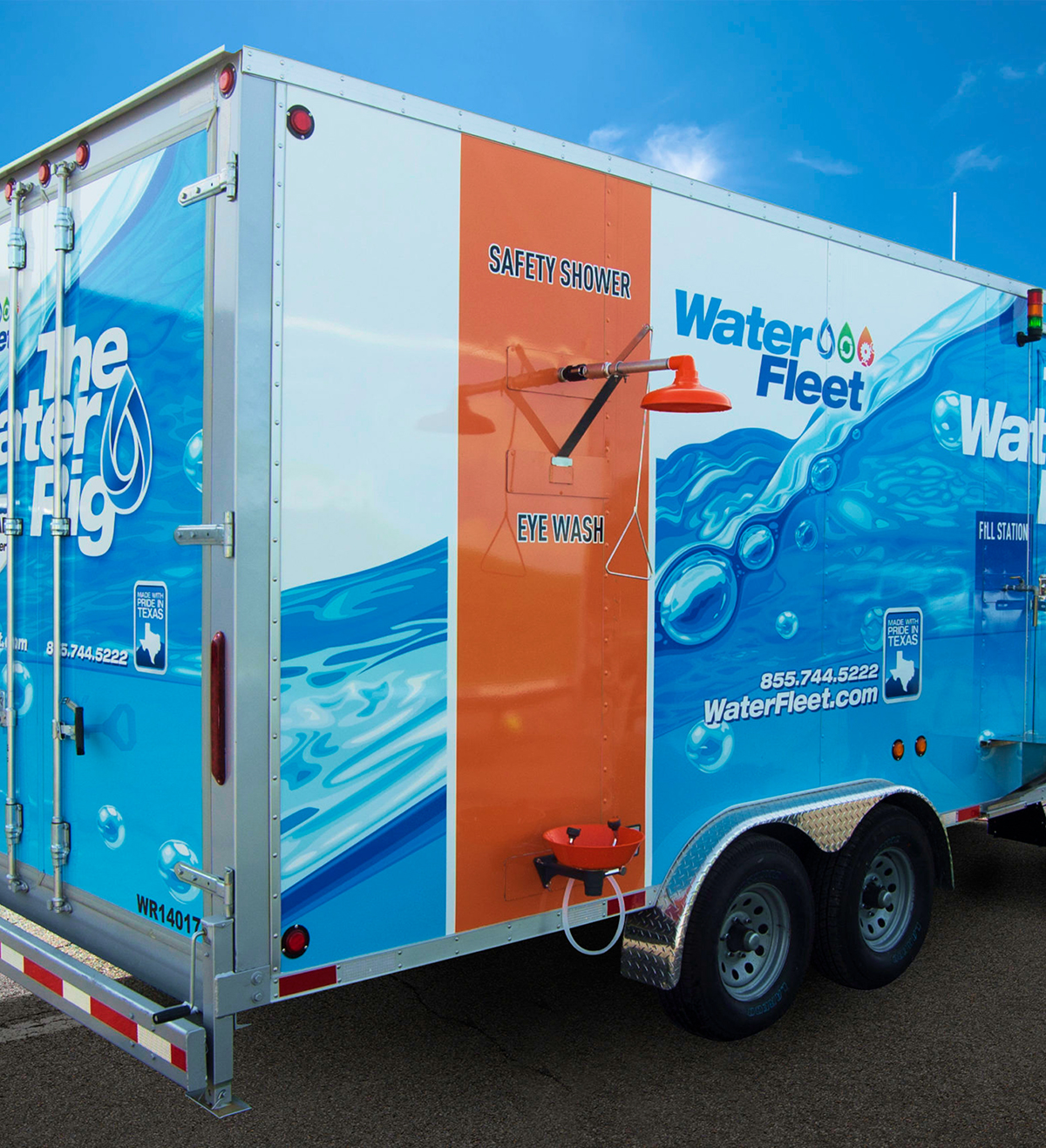
What’s enabling this transition is a new generation of portable and semi-permanent systems that combine advanced treatment technologies (like membrane bioreactors, UV disinfection, and nutrient recovery) with data-driven automation. These systems are designed to be plug-and-play, require minimal operator oversight, and can often be relocated or scaled as needed.
A New Way to Think About Wastewater
Wastewater is no longer just a problem to manage—it’s a resource to capture. This mindset shift is influencing not just how companies handle their water cycles, but how they design and operate their facilities even before breaking ground.
Organizations like the WateReuse Association, WEF, and The Water Council have all spotlighted the importance of industrial reuse as a critical piece of a sustainable water future.
Looking Forward
The water challenges of the 21st century demand a more flexible, decentralized, and circular approach to water management. Onsite wastewater recycling solutions are not a silver bullet but are a powerful step forward and offer a glimpse into a future where waste becomes value, and sustainability becomes standard.

Recent Comments