
In Good to Great, Jim Collins introduced the idea of the flywheel. Small, consistent pushes build momentum over time until progress becomes self-sustaining. Not a single breakthrough moment, but compounding results. That same concept applies powerfully to worker quality of life in construction.
For years, the industry has treated sustainability goals and worker experience as separate conversations. One lives in the boardroom. The other lives in the field. But what if they are actually mutually reinforcing?
What if improving conditions for workers is not a cost, but the first push that accelerates operational sustainability, productivity, and long-term project savings?
The Chicken-or-Egg Question:
What comes first?
- The need to meet sustainability goals
- Or the need to improve worker quality of life
The truth is, they don’t have to come in sequence. They can happen at the same time.
Imagine a flywheel with two connected rings, spinning together:
- One focused on Worker Quality of Life
- One focused on Operational Sustainability
Each reinforces the other. Each makes the next rotation easier.
Worker Quality of Life
When construction sites prioritize the daily experience of the workforce, the impact compounds fast.
Step 1: Better Drinking Water and Restroom Facilities
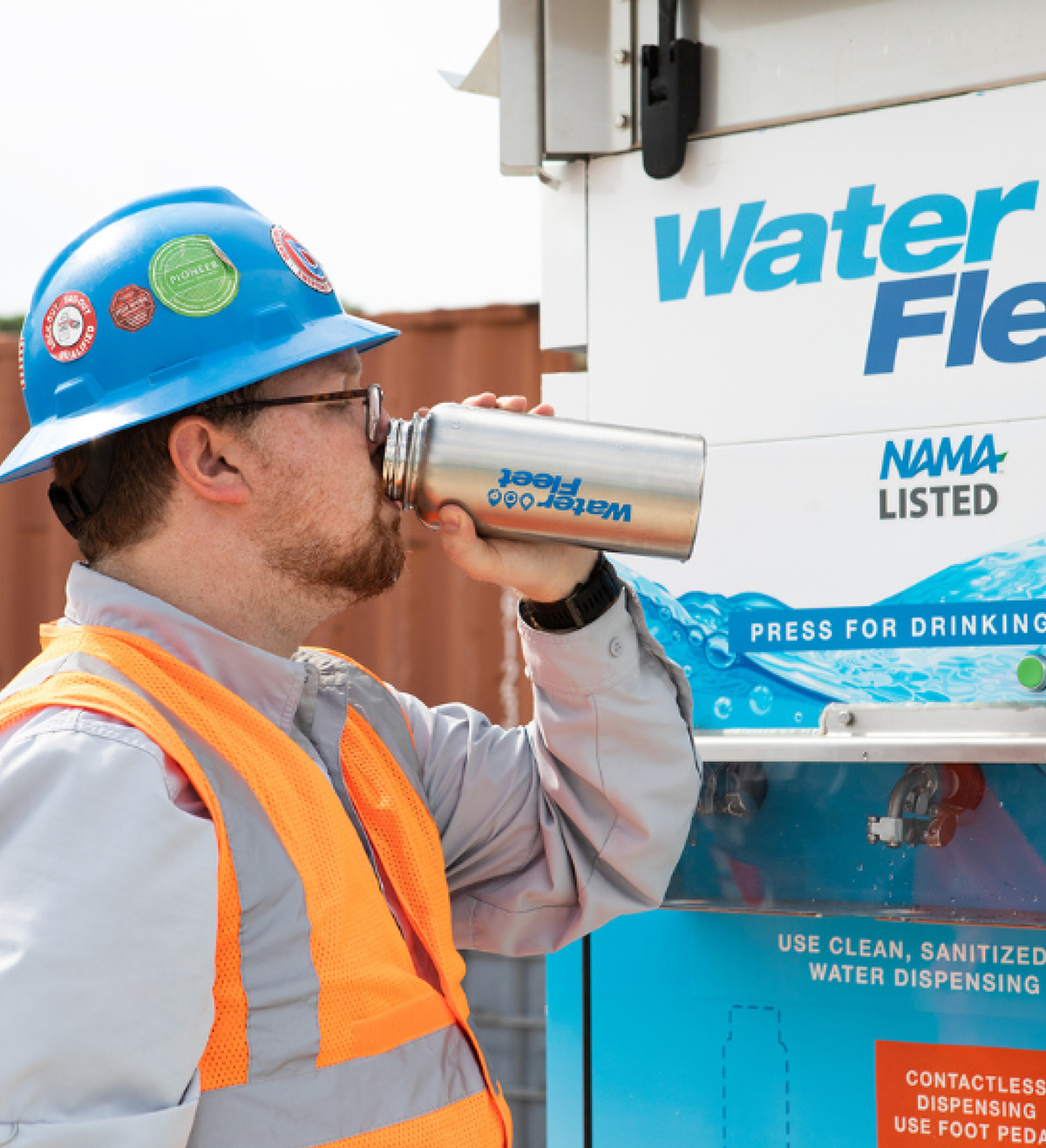
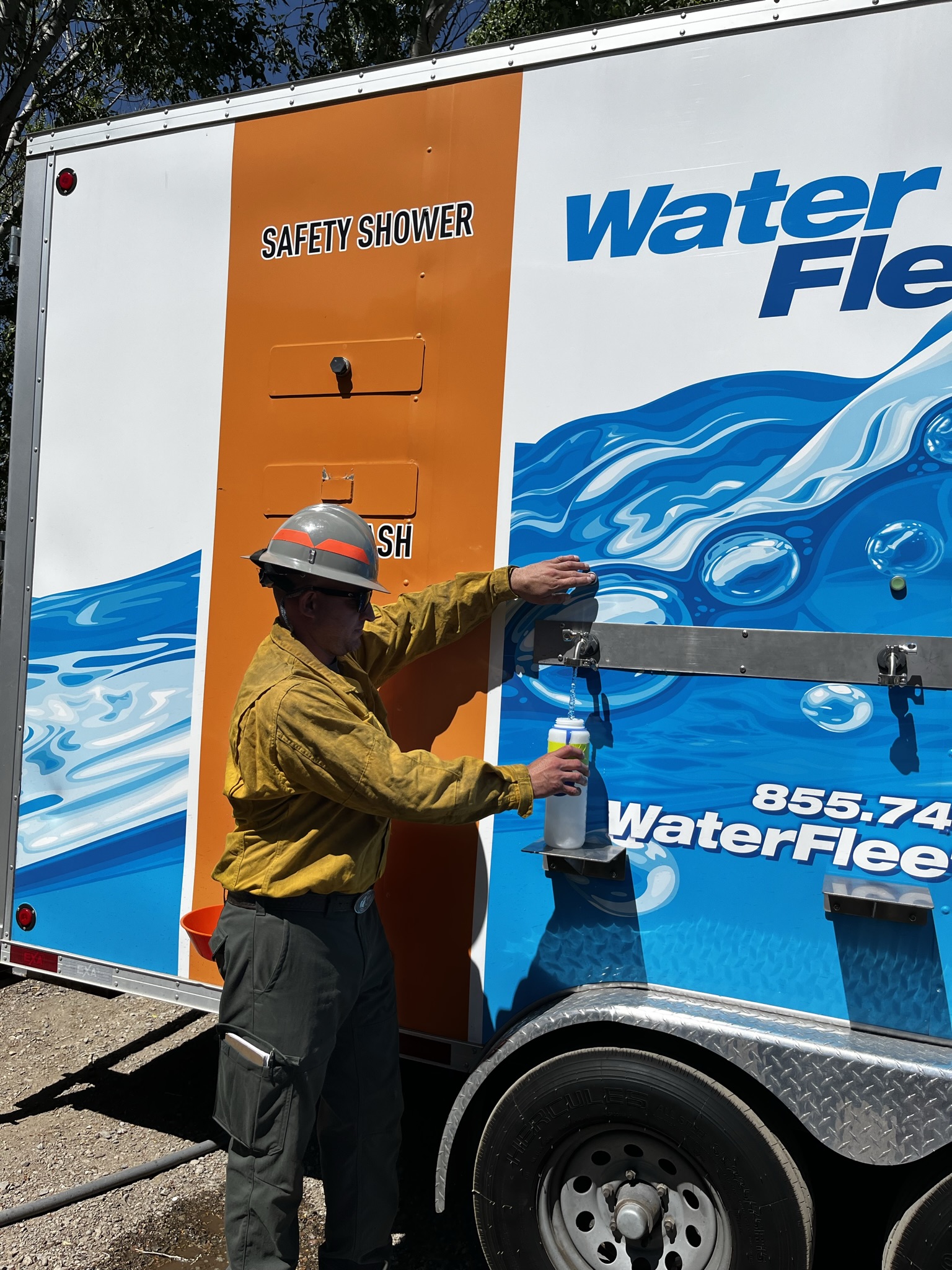
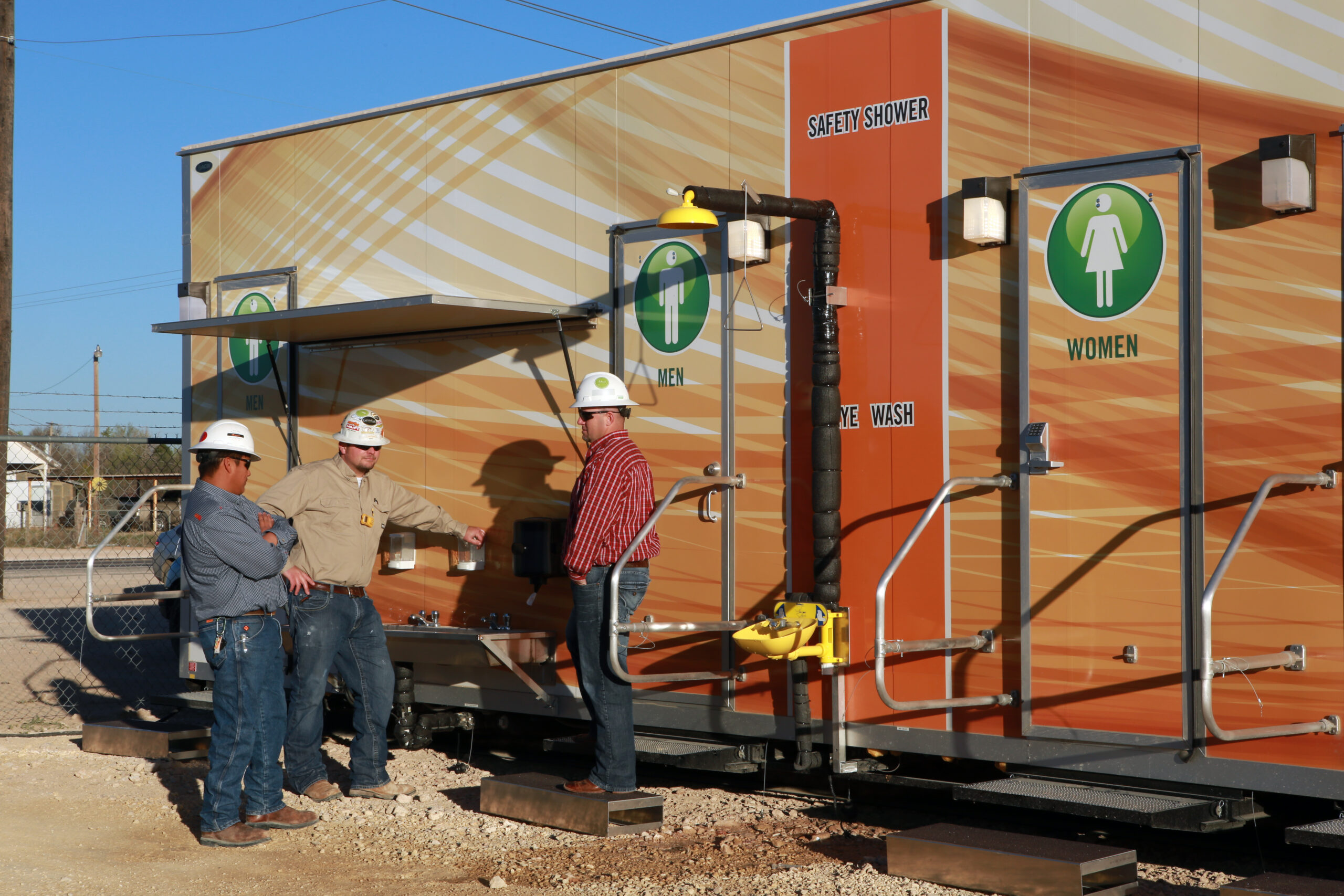
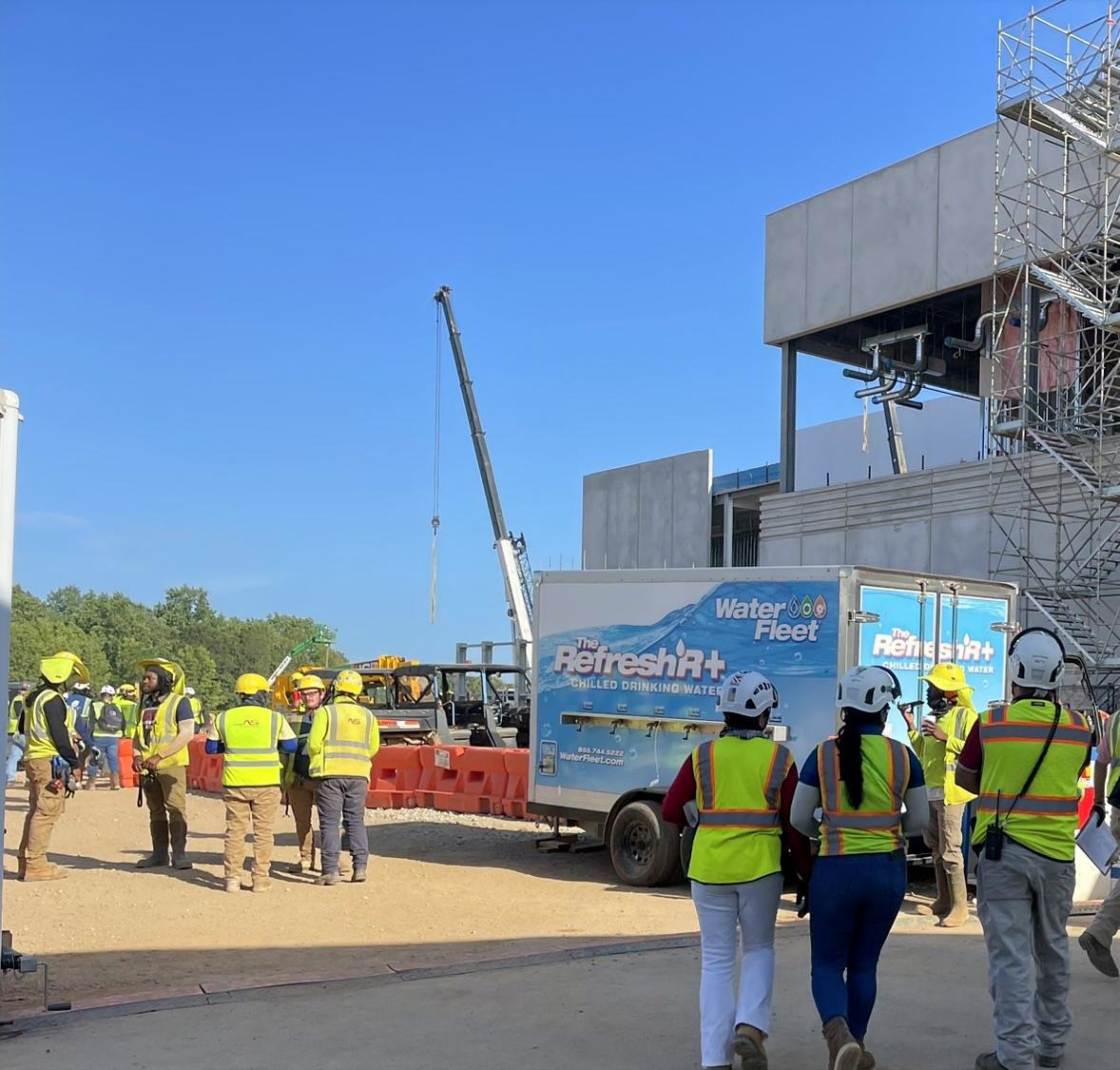
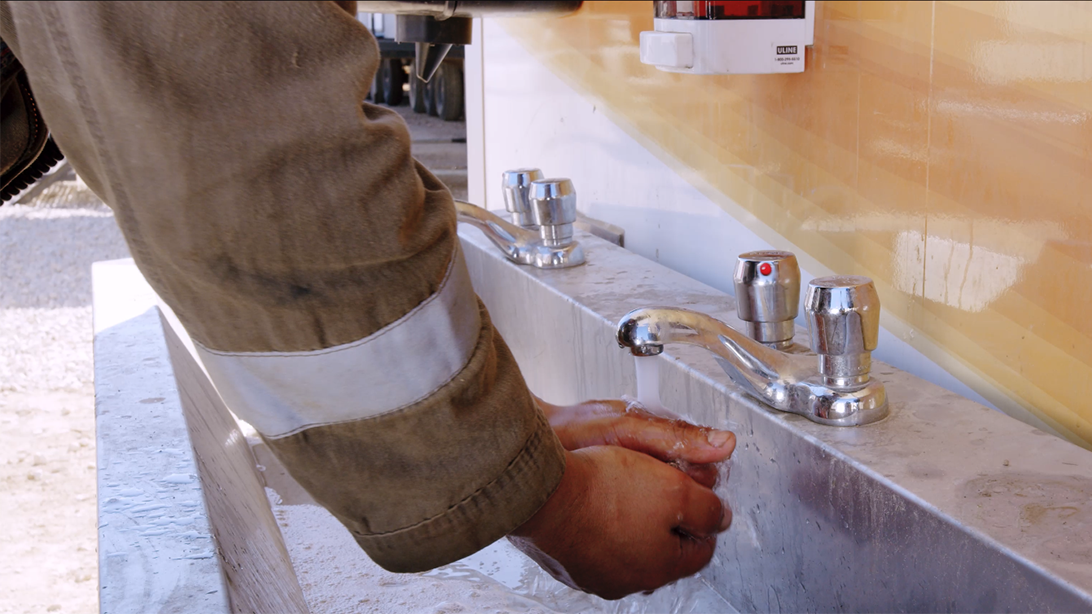
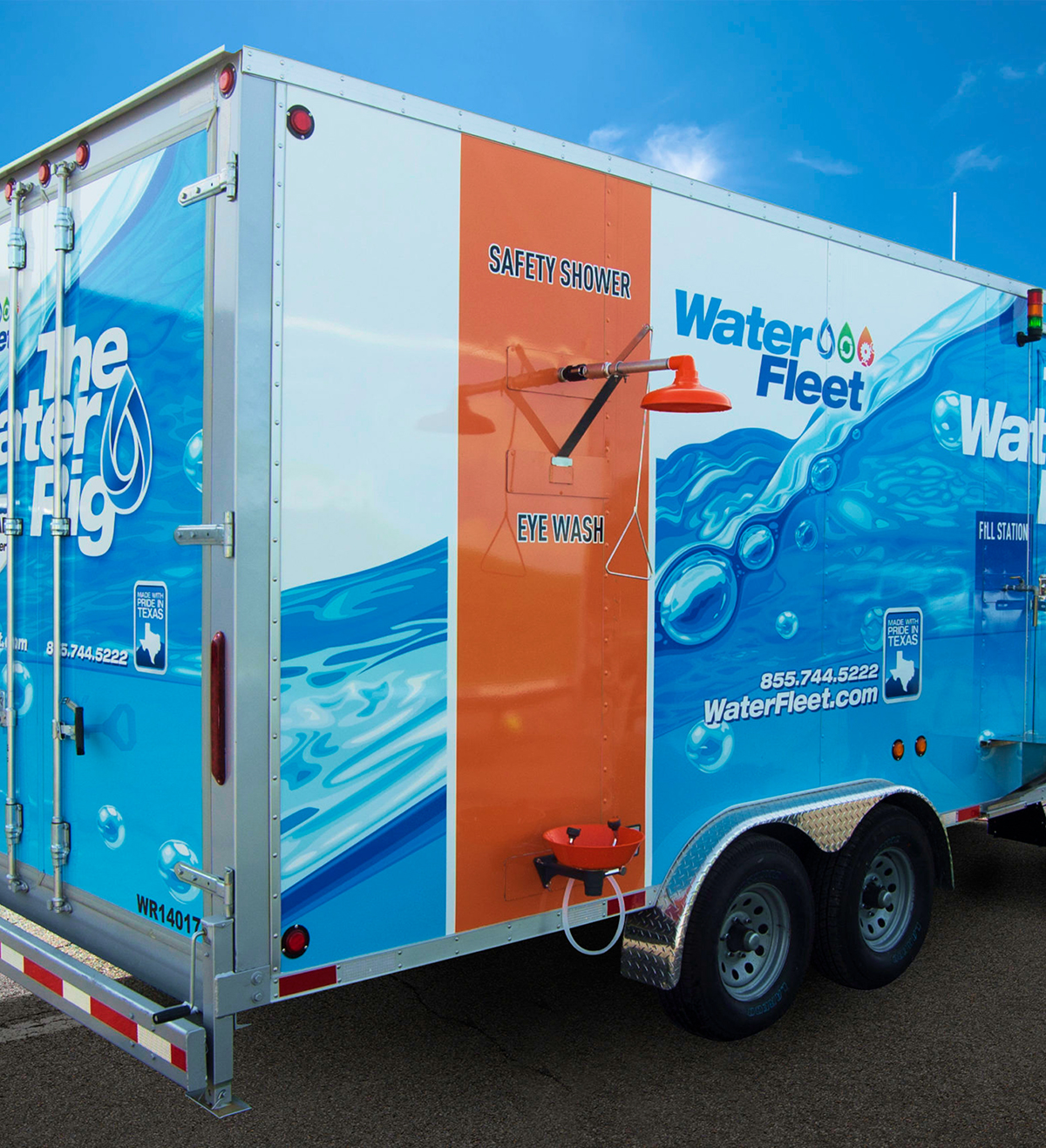
Reliable, on-site drinking water and modern restroom infrastructure do more than check a compliance box, they directly affect comfort, dignity, and health.
Step 2: Improved Worker Quality of Life
When crews don’t have to leave the site to meet basic needs, morale improves.
Step 3: Higher Worker Retention
Better conditions lead to fewer call-outs, less turnover, and stronger crew continuity. Skilled workers stay where they feel respected.
Step 4: Productivity Gains
Stable crews work faster, safer, and more efficiently. Fewer disruptions mean tighter schedules and smoother execution.
Step 5: Project Savings
Reduced delays, lower rehiring costs, and fewer incidents translate directly to savings.
Step 6: Reinvestment
Those savings can be reinvested into better infrastructure, better planning, and better site conditions, pushing the flywheel again.
Jobsite Sustainability
Now look at what happens operationally when that same infrastructure is in place.
Step 1: Plastic Bottle Waste Reduction and Toilet Improvement
On-site drinking water programs eliminate mountains of single-use bottles. Modern restroom systems reduce reliance on truck-serviced units.
Step 2: On-Site Wastewater Reuse
Treating wastewater for industrial reuse reduces freshwater demand and minimizes disposal requirements.
Step 3: Reduction in Truck Traffic
Fewer water deliveries. Fewer pump-out trucks. Less congestion, fuel use, and site disruption.
Step 4: Sustainability Goals Become Achievable
Waste reduction, water efficiency, and emissions improvements stop being theoretical. They become measurable outcomes of daily operations.
Step 5: Project Savings
Lower hauling costs, reduced waste fees, and improved logistics efficiency add up quickly.
Step 6: Reinvestment
Those savings flow back into long-term infrastructure decisions that further strengthen both sustainability and worker experience.
Where the Two Flywheels Meet
Worker quality of life and sustainability are not competing priorities. They are mutually reinforcing.
Better water and sanitation:
- Improve daily life for crews
- Reduce waste and operational friction
- Increase productivity
- Unlock real cost savings
That momentum makes the next investment easier. And the next. And the next.
Over time, the flywheel doesn’t just spin faster. It becomes the standard way work gets done.
Putting Worker Quality of Life at the Front of the Line
Construction leaders don’t need a grand sustainability overhaul to get started.
They need to ask one question: What would change if we designed job sites around people first?
When worker quality of life leads, sustainability follows naturally. Not as a mandate, but as a byproduct of smarter, more human-centered operations.
That’s how good projects become great ones.

Recent Comments