
Every successful construction project seems to have a story.
“They had a better contractor.”
“They had better financing.”
“They planned further ahead.”
While those factors certainly matter, they don’t always explain why one project is pouring foundations while another is still waiting to mobilize.
Sometimes, the biggest competitive advantage is the one nobody notices.
People Notice Results, Not the Infrastructure Behind Them
Think about the projects that seem to move effortlessly:
- A residential developer begins framing homes while neighboring developments are still waiting for municipal sewer hookups.
- A data center breaks ground months ahead of expectations.
- An industrial facility keeps its schedule intact while similar projects struggle with delays.
Most people never stop to ask what happened behind the scenes, they simply notice who’s building first.
What often goes unnoticed is the infrastructure decision that made those schedules possible.
Wastewater Is Often an Invisible Bottleneck
Wastewater management isn’t usually the first topic discussed during project planning meetings. Yet it frequently becomes one of the biggest constraints to keeping construction on schedule.
Without a viable wastewater solution, projects may have to wait for permanent municipal infrastructure, navigate lengthy permitting processes, construct temporary lagoons, or rely on costly pump-and-haul operations.
Those delays can ripple through every phase of construction.
The Projects That Move First Solve Constraints First
The fastest projects are often the ones that identify schedule risks early and eliminate them before they become delays.
That’s where temporary wastewater treatment changes the equation.
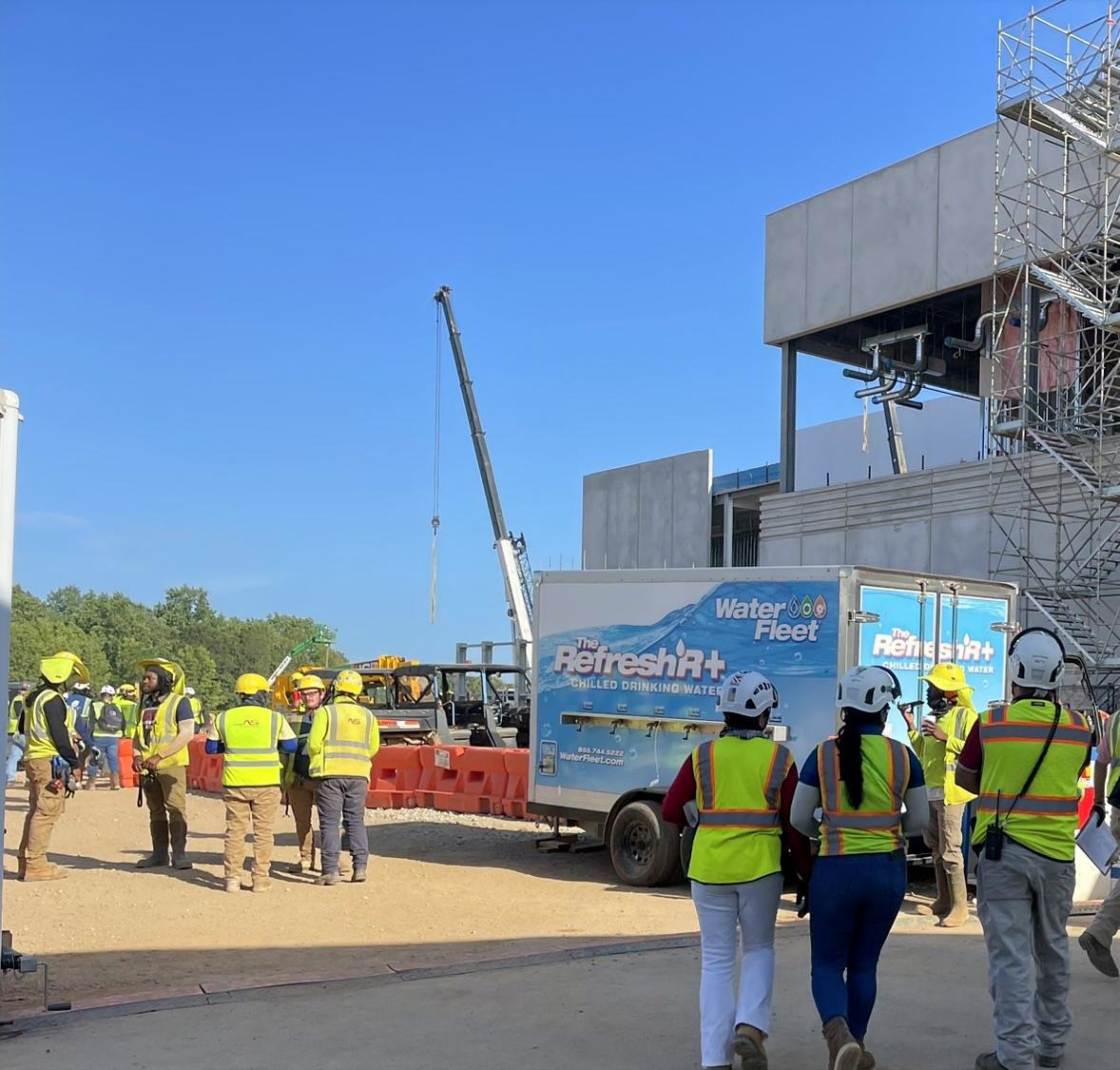
By deploying mobile wastewater treatment systems at the beginning of a project, developers and contractors can begin construction while permanent infrastructure continues to develop in parallel.
Instead of waiting on wastewater, wastewater supports the schedule.
A Different Way to Think About Wastewater
Most projects view wastewater as something that needs to be managed, hauled away, and forgotten.
We see wastewater as a resource.
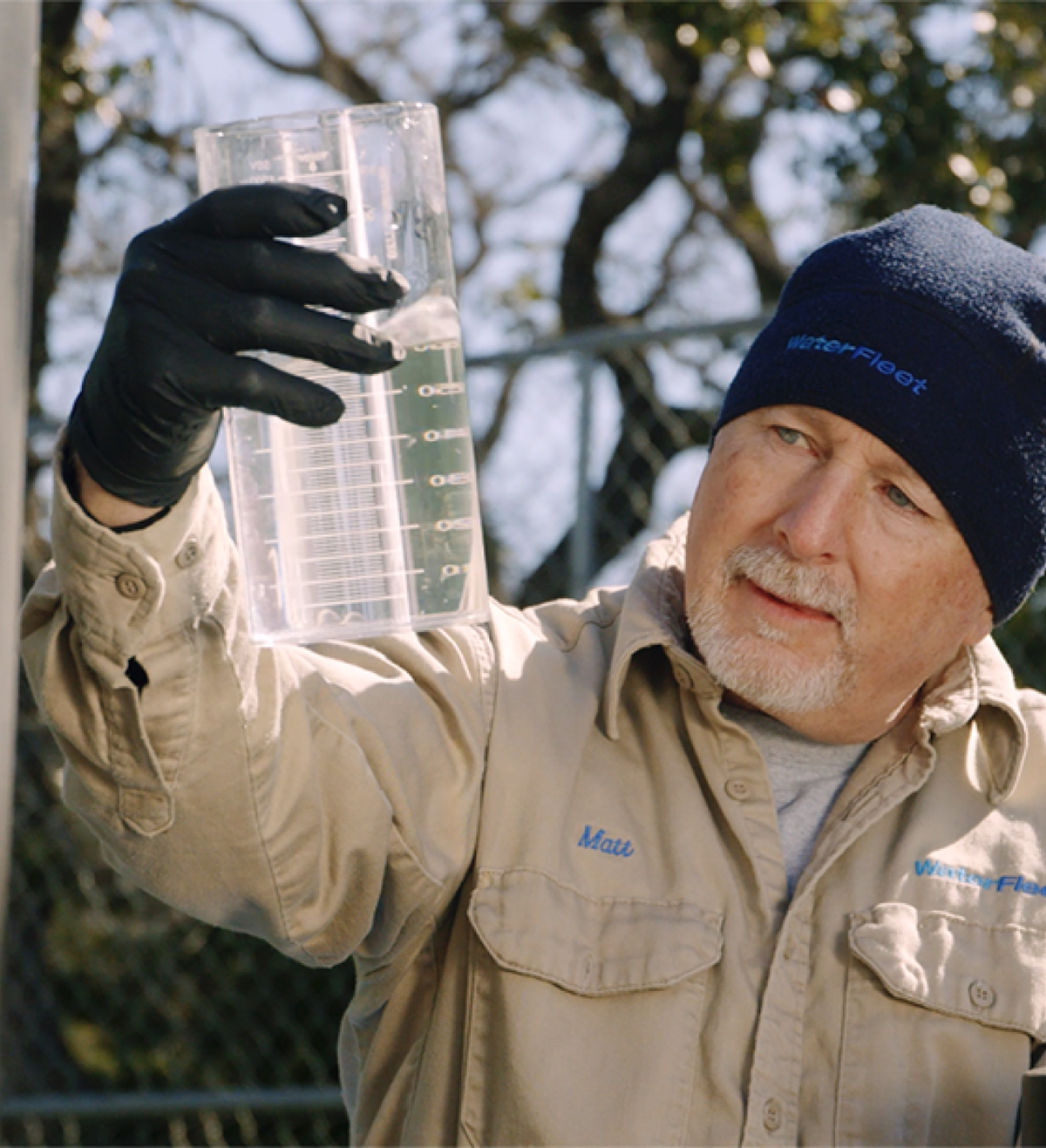
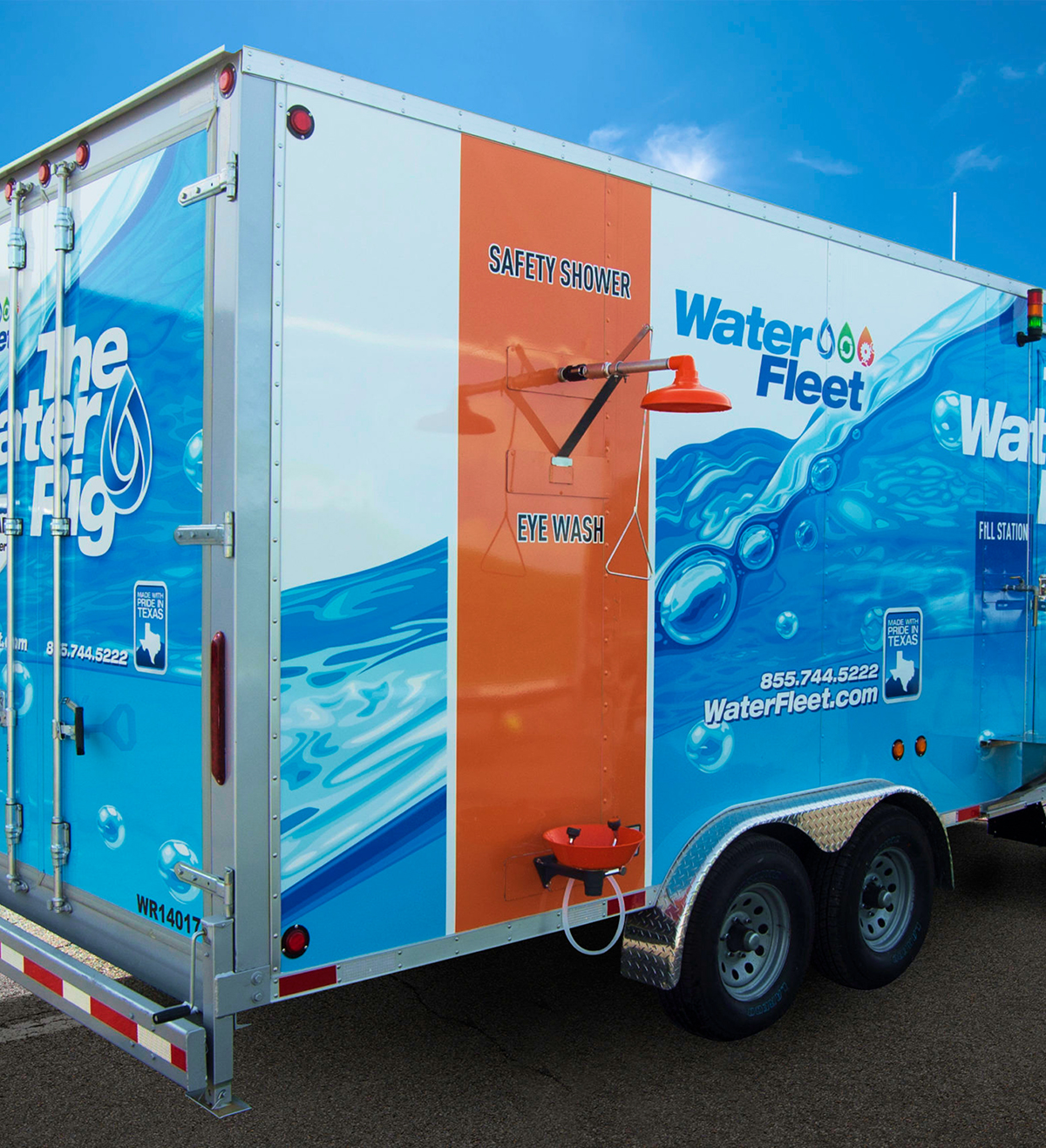
Instead of relying on costly pump-and-haul operations, WaterFleet’s mobile systems treat wastewater onsite to a non-potable standard suitable for industrial reuse. What was once considered a waste stream becomes a reliable water source for dust suppression, equipment washdown, concrete mixing, and other construction activities.
That shift does more than reduce hauling costs. It decreases truck traffic, lowers emissions, reduces demand on local freshwater supplies, and gives teams greater control over one of their most essential resources.
The Best Competitive Advantages Stay in the Background
No one drives past a successful project and says,
“They must have had a great temporary wastewater strategy.”
They say,
“They’re already pouring foundations.”
Or,
“They’re already standing steel.”
Or,
“How did they get so far ahead?”
That’s exactly how it should be.
The most valuable infrastructure investments are the ones that quietly remove obstacles so the project can keep moving.
Build the Schedule, Not the Delay
Every project has constraints.
The difference is whether those constraints dictate the schedule or whether they’re solved before they become problems.
Sometimes, the biggest competitive advantage is the one nobody notices–let WaterFleet be your secret weapon.
Recent Comments