
One of the biggest challenges facing new housing developments isn’t labor, materials, or permitting—it’s wastewater.
When permanent sewer infrastructure isn’t yet available, construction often stalls while developers wait for lift stations or municipal connections to be completed. In the meantime, traditional approaches like portable restrooms and pump-and-haul services create ongoing logistical headaches, increase costs, and introduce environmental concerns.
Fortunately, there’s a faster alternative.
The Challenge: Building Before Sewer Infrastructure Exists
A major homebuilder in Central Texas faced this exact problem. The project was ready to move forward, but permanent sewer infrastructure hadn’t been completed. Waiting wasn’t an option, yet relying solely on portable toilets and pump-and-haul services would slow progress and make wastewater management a daily operational challenge.
For many residential developments, this scenario is becoming increasingly common as communities expand faster than supporting infrastructure.
The Solution: Mobile Onsite Wastewater Treatment
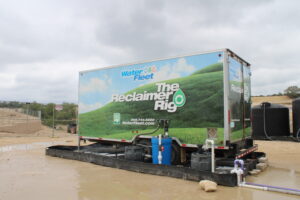
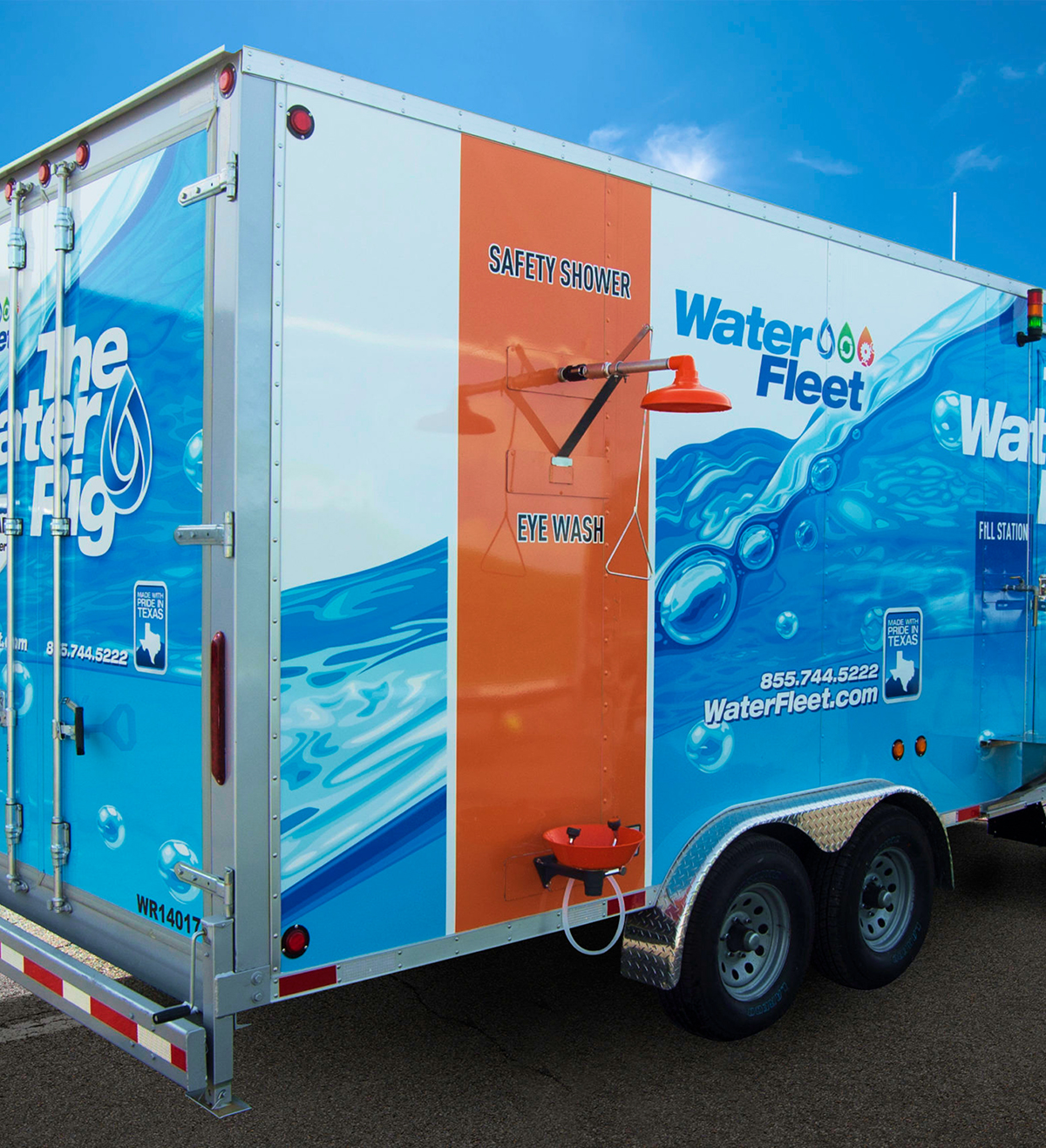
Instead of waiting for permanent sewer connections, WaterFleet deployed a mobile onsite wastewater treatment system directly at the jobsite.
The system was designed to:
- Treat and store wastewater onsite
- Process up to 12,000 gallons per day
- Produce treated water suitable for dust suppression
- Provide 24/7 remote monitoring with onsite support
- Eliminate reliance on pump-and-haul services
Most importantly, the system allowed construction to begin immediately rather than waiting for sewer infrastructure to catch up.
The Results: Faster Construction with Lower Operating Costs
By treating wastewater onsite, the project achieved several immediate operational benefits.
Accelerated Project Startup
Construction teams were able to begin work immediately following installation.
Without waiting for lift station construction or permanent sewer connections, the project stayed on schedule from day one. The site manager described the installation simply:
“Set up was seamless and started working immediately.”
Reduced Transportation and Operating Costs
Traditional pump-and-haul operations require frequent service visits, fuel consumption, scheduling coordination, and equipment downtime.
With onsite treatment, those recurring logistics were dramatically reduced.
The project avoided approximately 35 pump-and-haul trips every month, lowering transportation costs while simplifying day-to-day operations.
Significant Water Reuse
Water scarcity continues to affect construction across many regions, particularly in Texas.
Rather than disposing of wastewater, the treated effluent was reused onsite for:
- Dust suppression
- Irrigation
Overall, 95% of the treated water was reused onsite, reducing freshwater demand while supporting sustainability goals.
Measurable Project Impact
The deployment delivered meaningful operational improvements:
- 140,000 gallons of wastewater treated each month
- 35 pump-and-haul trips avoided monthly
- 95% of water reused onsite
These results demonstrate that onsite wastewater treatment is a practical construction tool that keeps projects moving while reducing operating costs.
A Smarter Way to Build
As housing developments continue expanding into new communities, infrastructure delays will remain a common challenge.
Mobile onsite wastewater treatment gives developers an alternative to waiting on permanent sewer connections. By enabling immediate project startup, reducing hauling requirements, lowering operating expenses, and creating opportunities for water reuse, contractors can maintain momentum without compromising environmental performance.
For builders looking to accelerate project timelines while improving operational efficiency, onsite wastewater treatment offers a practical solution that delivers value from the first day of construction.


Recent Comments