
As demand for artificial intelligence, cloud computing, and digital infrastructure continues to surge, data center development is accelerating across North America. But alongside this growth, a new trend is emerging: increasing community opposition and government-imposed moratoria on new data center projects.
From concerns about water consumption and energy demand to increased truck traffic and environmental impacts, residents and local leaders are pushing back against large-scale developments they believe place undue strain on community resources. For developers and operators, addressing these concerns is no longer optional—it’s essential for securing permits, maintaining community support, and ensuring long-term operational success.
Fortunately, innovative water and wastewater management solutions can help bridge the gap between infrastructure growth and community expectations.
Why Communities Are Pushing Back Against Data Centers
Data centers have become critical infrastructure, but they often face scrutiny from residents and policymakers for several reasons:
Water Consumption
Many data centers require significant volumes of water for cooling systems, construction activities, and daily operations. In regions already experiencing drought conditions or water scarcity, communities are increasingly concerned about competing demands on local freshwater resources.
Increased Traffic and Emissions
Construction and operation can generate substantial truck traffic, including:
- Bottled water deliveries
- Wastewater haul-off services
- Construction-related transportation
This increased traffic contributes to road wear, traffic congestion, noise pollution, and greenhouse gas emissions. All of which are common points of contention during public hearings and permitting processes.
Sustainability Expectations
Communities today expect new developments to align with sustainability goals from the outset. Projects perceived as consuming large amounts of resources while generating unnecessary waste often face heightened opposition and regulatory scrutiny.
As a result, some municipalities have responded with development restrictions, permitting delays, or outright moratoria on new data center construction until infrastructure and environmental concerns can be adequately addressed.
How WaterFleet Helps Ease Community Concerns
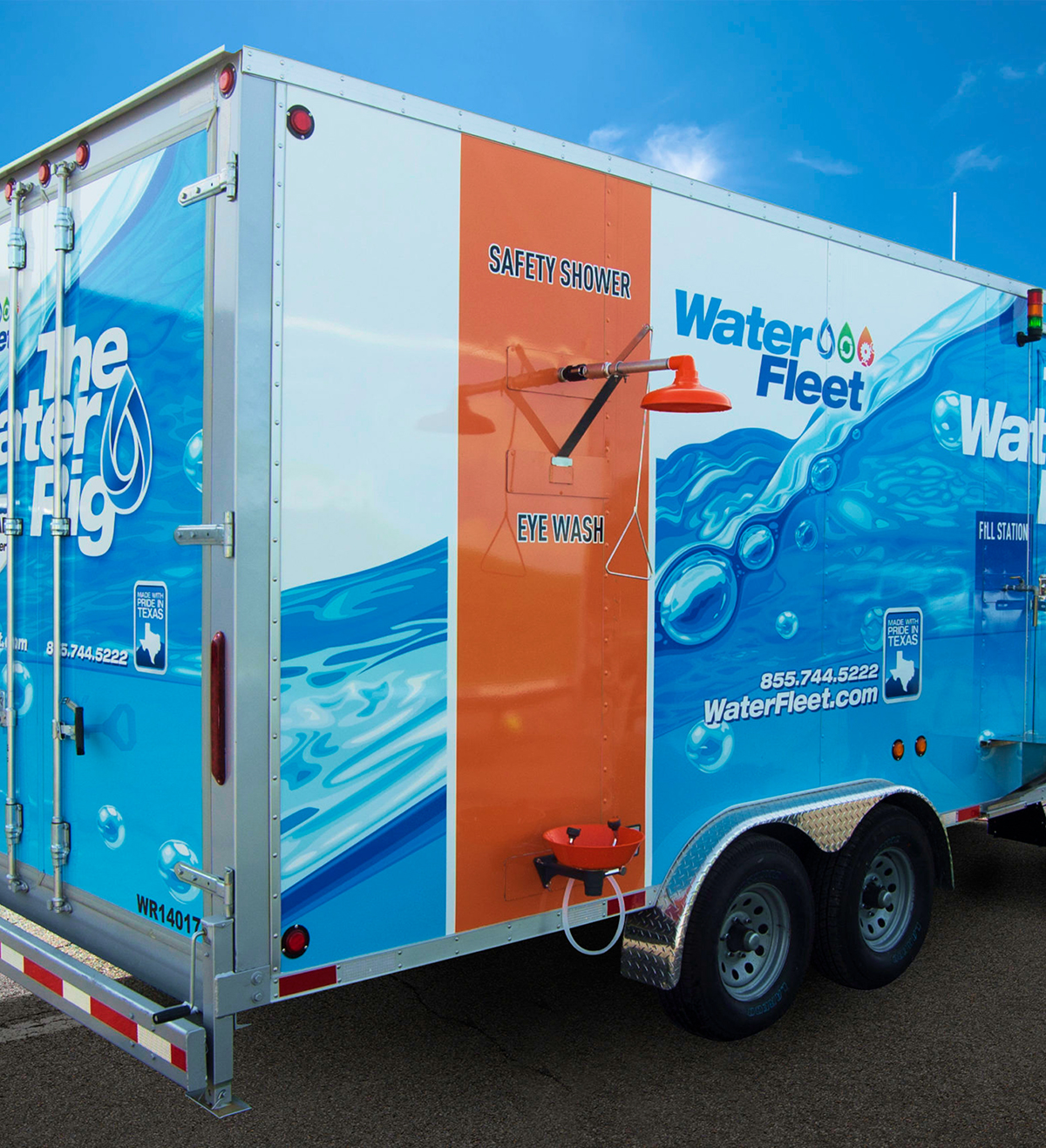
WaterFleet provides onsite water and wastewater treatment solutions that help developers reduce environmental impacts while supporting more sustainable construction and operations.
1. Reducing Strain on Local Freshwater Supplies
One of the most significant concerns surrounding data centers is their reliance on freshwater resources.
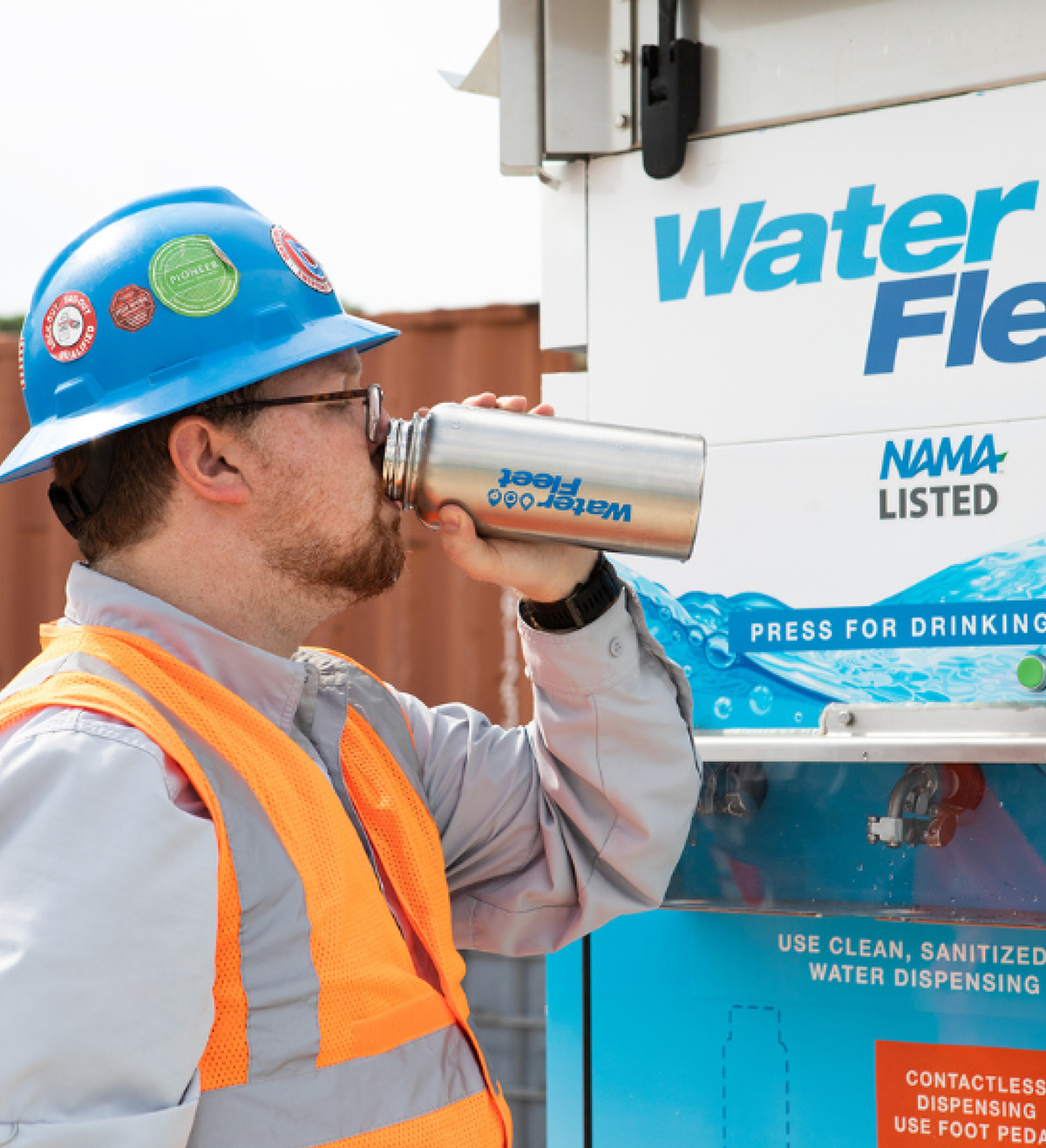
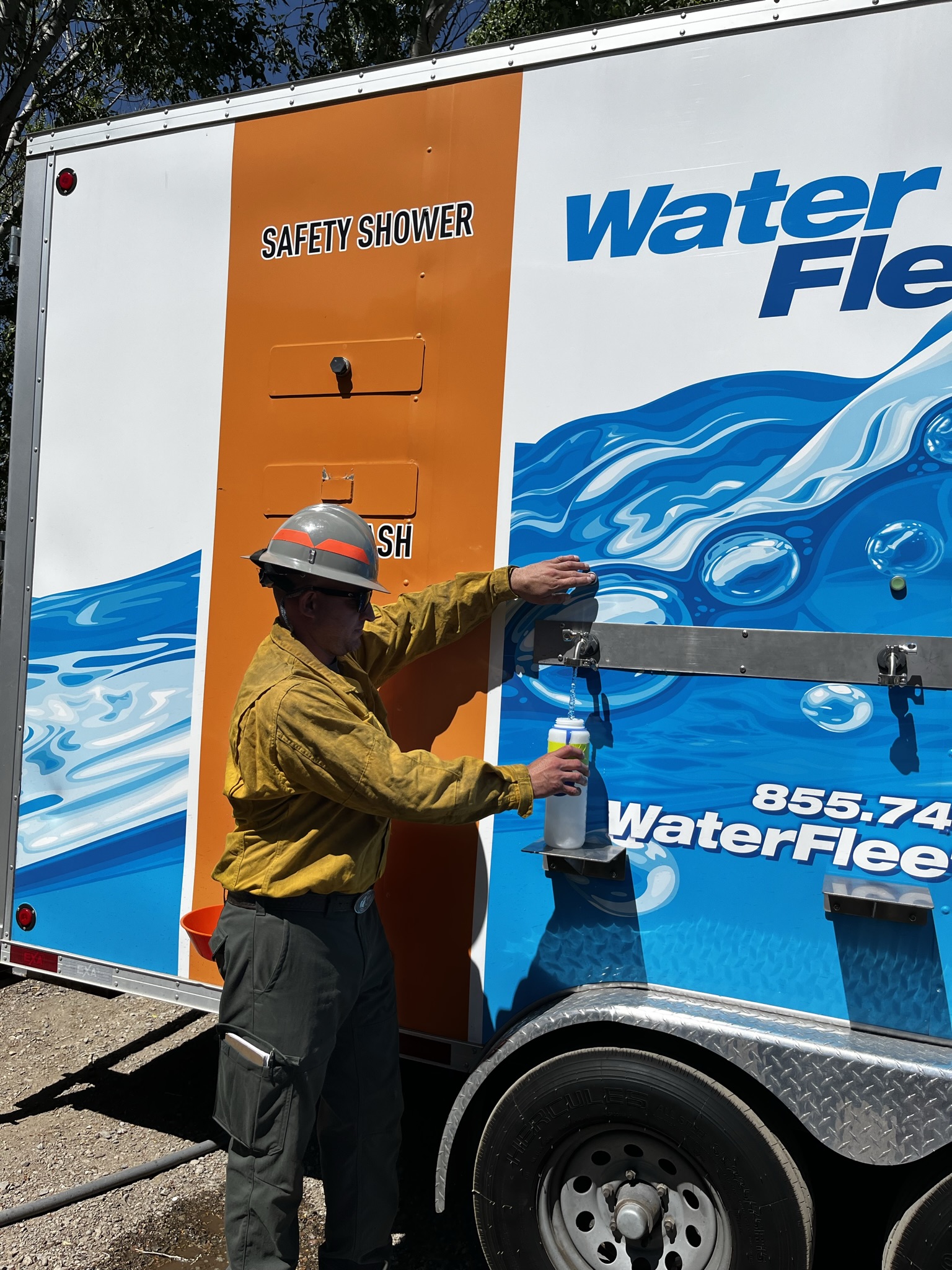
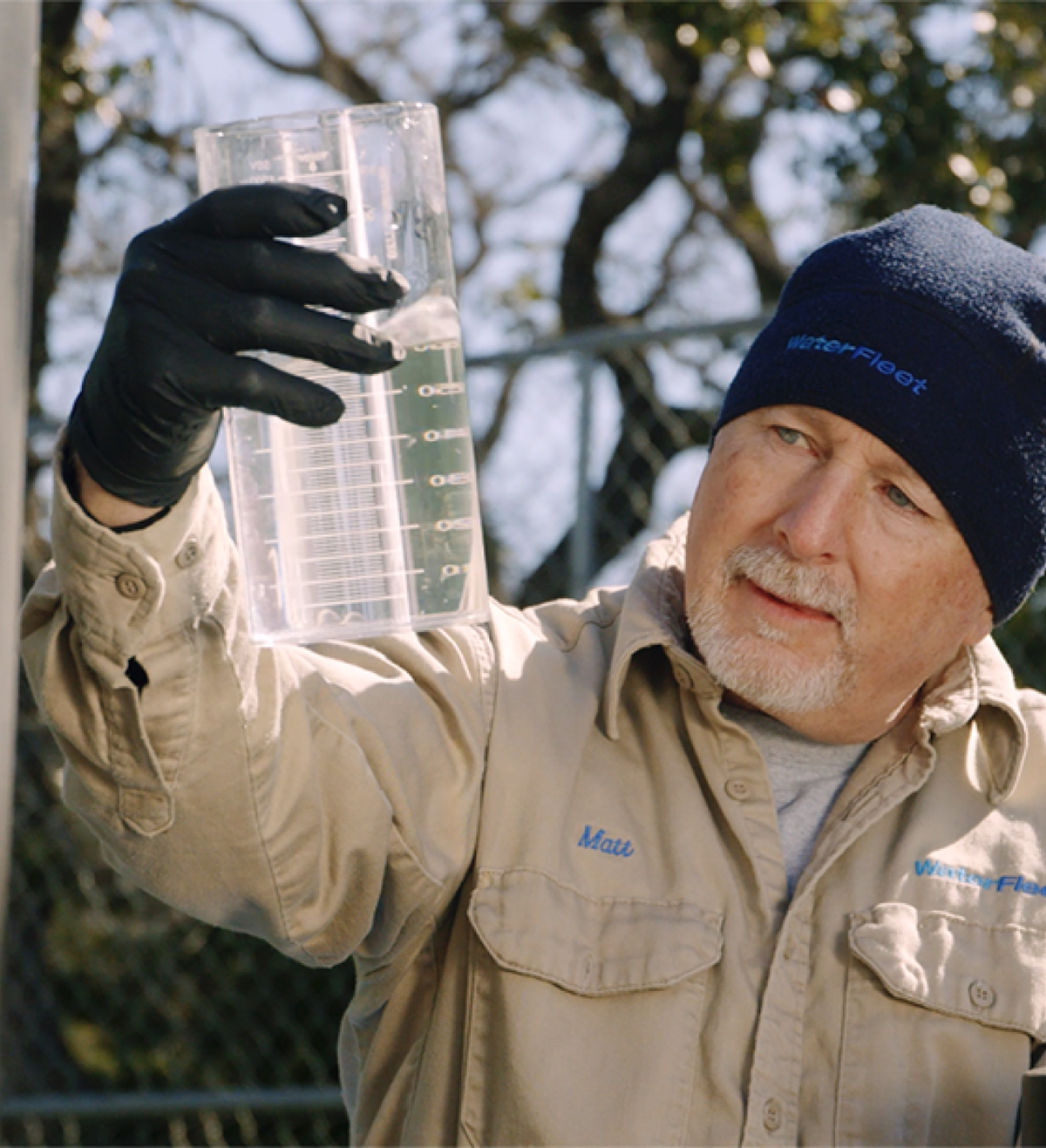
WaterFleet helps address this challenge by treating non-potable water sources to potable standards onsite. Rather than relying exclusively on municipal drinking water supplies, developers can leverage alternative water sources while maintaining the water quality needed for workers and operations.
Benefits include:
- Reduced demand on local freshwater systems
- Greater water resilience in drought-prone regions
- Improved community perception of responsible water stewardship
- Reduced competition with residential water users
By decreasing dependence on municipal potable water supplies, data center projects can demonstrate a proactive commitment to protecting local resources.
2. Eliminating Unnecessary Truck Traffic
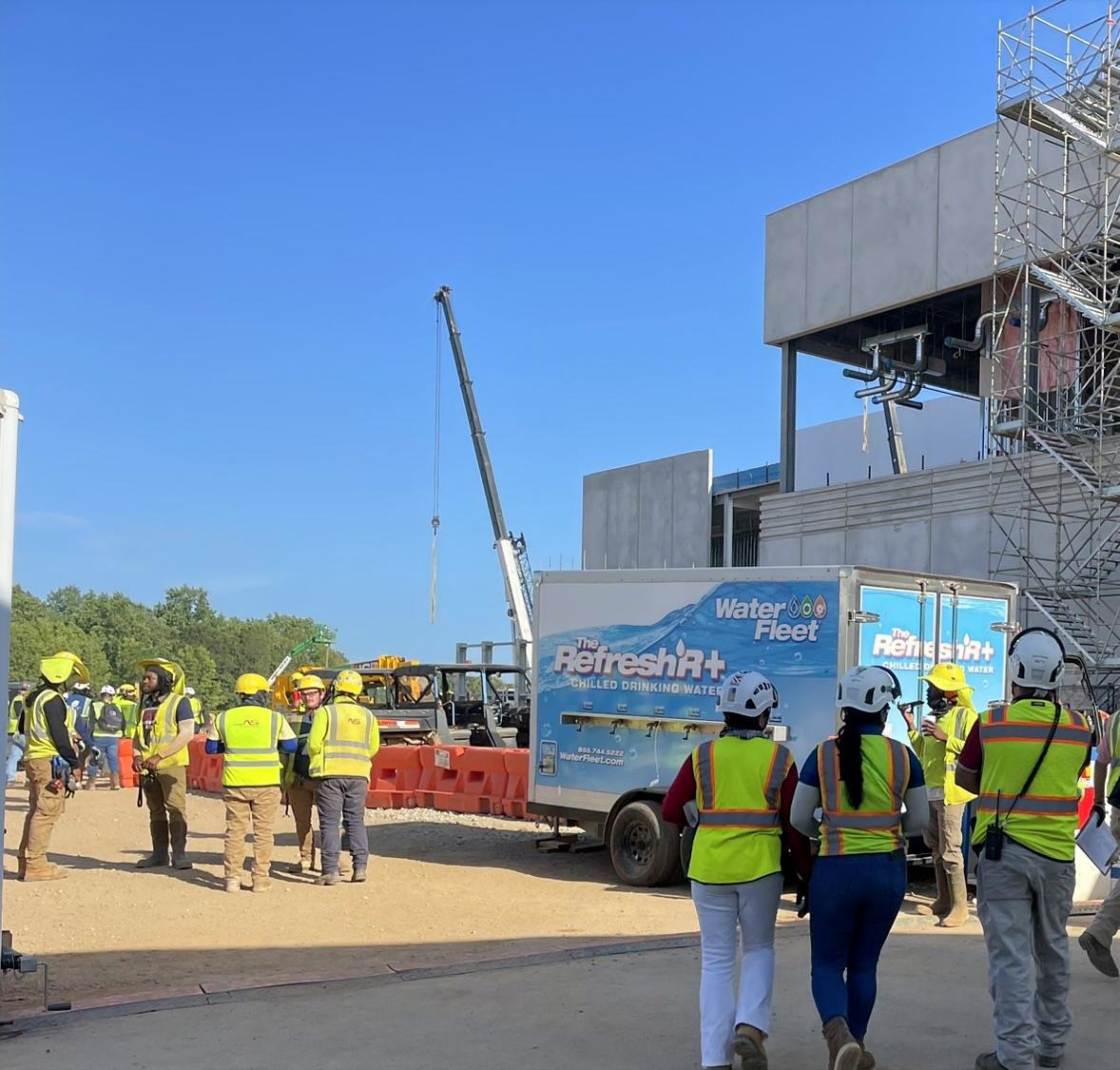
Truck traffic is often an overlooked source of community frustration. Traditional construction and operational models frequently require ongoing bottled water deliveries and wastewater haul-off services.
WaterFleet’s onsite treatment capabilities significantly reduce—or eliminate—the need for these recurring transportation activities.
This creates measurable benefits for both communities and project owners:
- Fewer trucks on local roads
- Reduced site and local traffic congestion
- Lower roadway wear and maintenance impacts
- Less construction and operational noise
- Reduced vehicle emissions and fuel consumption
For communities concerned about quality-of-life impacts, reducing truck traffic can be one of the most visible and appreciated improvements a project can make.
3. Supporting Sustainability from Day One
Increasingly, communities want assurance that sustainability is built into a project from the beginning—not added later as an afterthought.
WaterFleet enables developers to implement onsite wastewater treatment and water reuse strategies during both construction and ongoing operations. Instead of treating wastewater as a disposal problem, it becomes a reusable resource.
This approach supports:
- Water conservation goals
- Reduced environmental impact
- Lower overall resource consumption
- Stronger sustainability performance metrics
By establishing responsible water management systems early in the project lifecycle, developers can demonstrate environmental leadership while reducing operational risks.
Building Trust Through Responsible Infrastructure Development
Solutions that reduce freshwater demand, eliminate unnecessary truck traffic, and enable water reuse can help ease tensions between communities and developers while supporting more resilient infrastructure growth.
WaterFleet’s onsite water and wastewater treatment solutions provide a practical path forward—helping data center projects minimize environmental impacts, strengthen sustainability initiatives, and build trust with the communities they serve.
As moratoria and public opposition become more common, proactive resource management may be one of the most effective tools developers have to keep projects moving forward while being good neighbors.


Recent Comments