
When teams overlook construction-phase water, they tend to treat it like a short-term logistics issue—something solved with bottled water, temporary hookups, and routine wastewater hauling. But that approach misses a major opportunity, creates unnecessary cost, and can restrict a project’s flexibility at the moment it matters most.
The construction phase is a water phase and there are real risks in ignoring it.
Here are the three biggest.
- Missing Out on a Reusable Water Stream
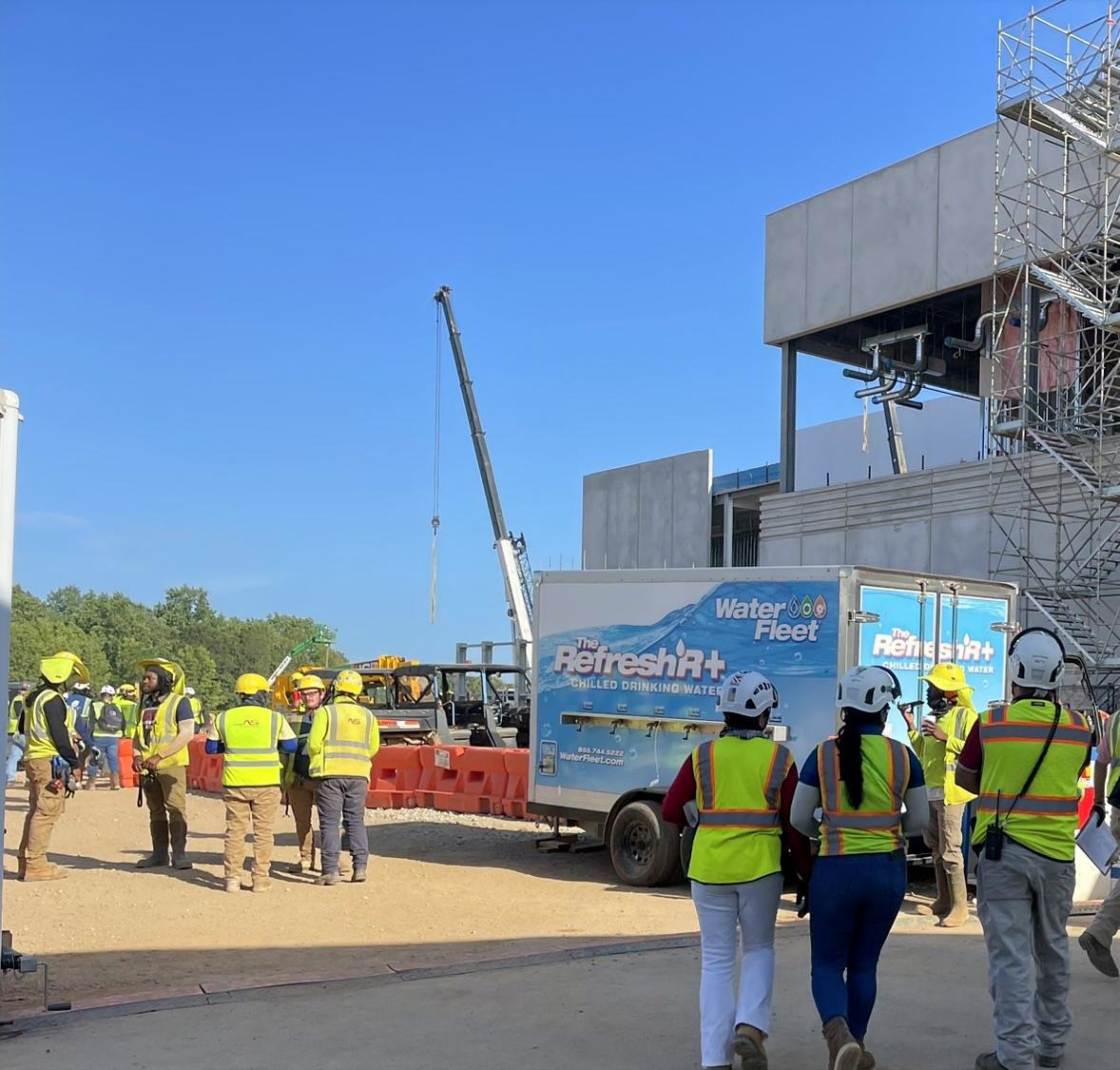
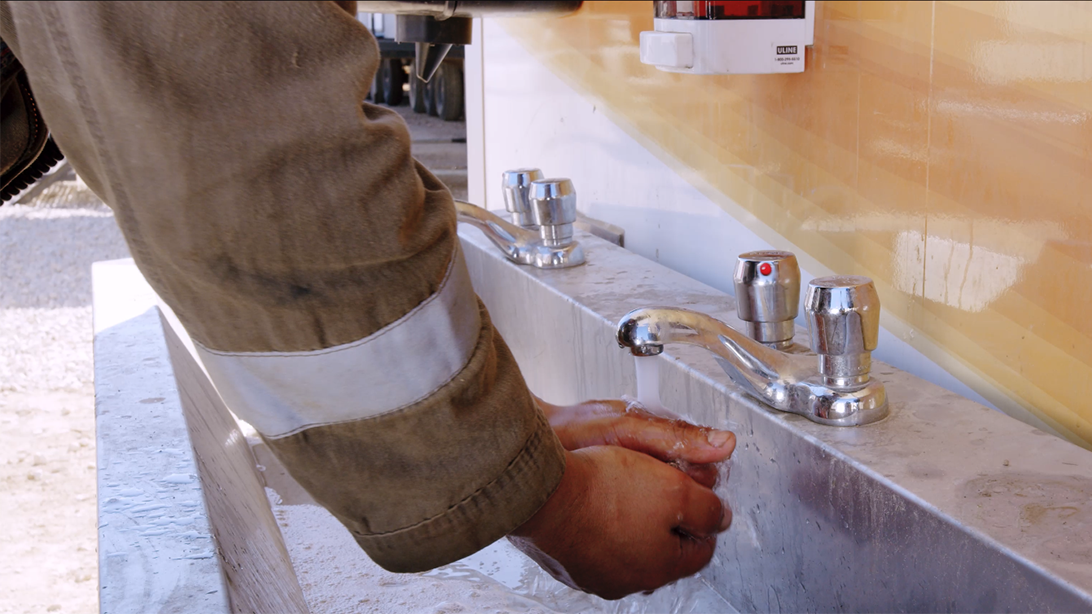
Every industrial jobsite with a significant workforce produces a steady, predictable wastewater stream—restrooms, handwashing, break areas, washdown, and more. Traditionally, that water leaves the site in a truck. Then new water arrives… in another truck.
That means GCs pay twice:
- Once to haul wastewater offsite
- And again to haul fresh water in for dust suppression, equipment washdown, concrete mixing, or other construction needs
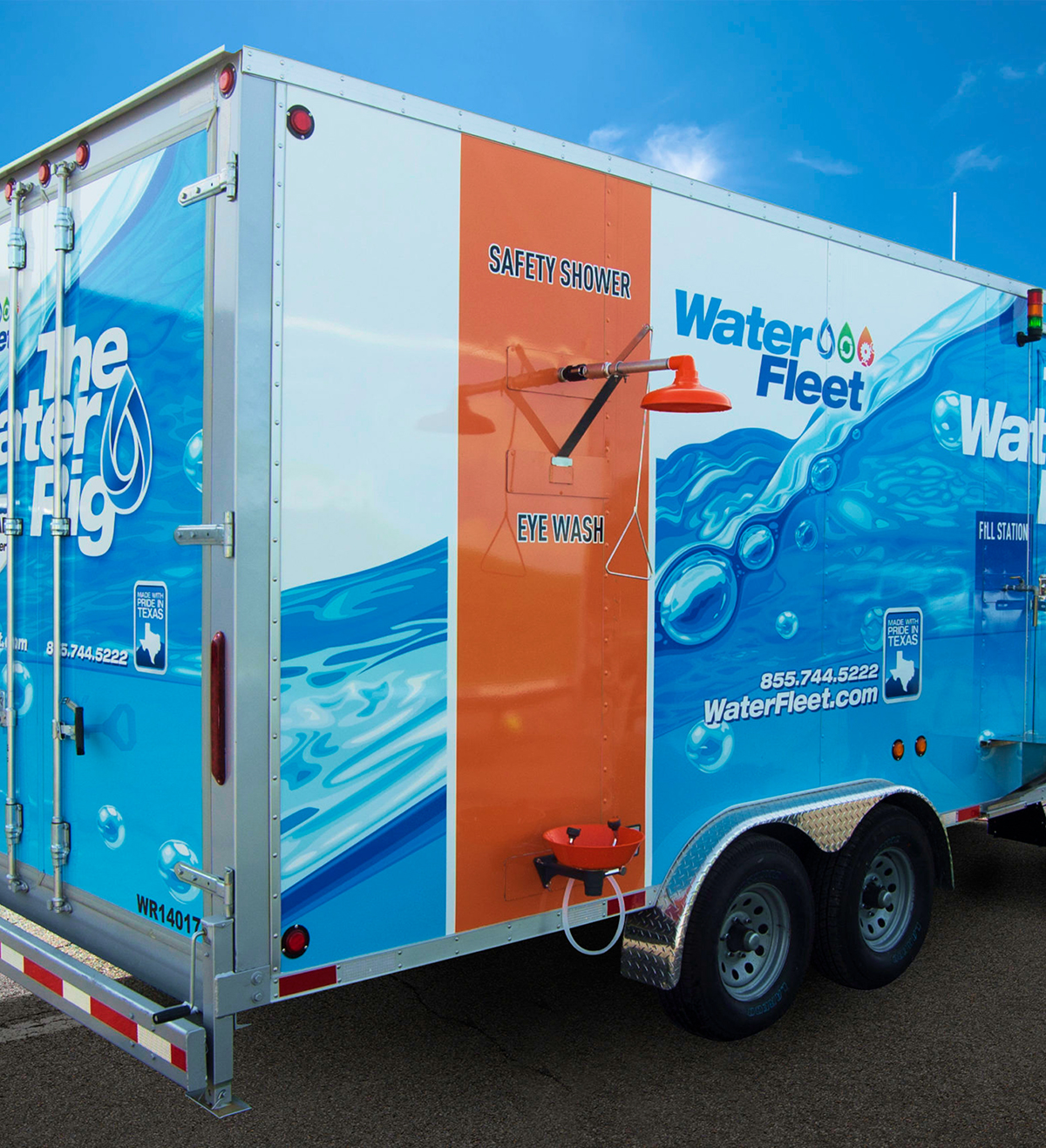
But this wastewater doesn’t have to be a loss. With the right onsite treatment approach, WaterFleet systems can process wastewater for beneficial industrial reuse, supplying clean, non-potable water for approved jobsite applications.
Instead of exporting value and importing cost, GCs can turn a waste stream into a resource stream while reducing truck traffic and giving the project more control over its water supply.
2. Schedule Risk When Water Availability Becomes a Bottleneck
Water access is often taken for granted until the day it suddenly stops.
When projects rely on ad hoc sourcing via water trucks, temporary fills, or late-stage utility coordination, schedule risks can start to pile up:
- Dust control delays when water deliveries fall behind
- Road congestion from additional water and wastewater trucks
- Unplanned downtime during permitting, drought restrictions, or utility outages
- Concrete, mixing, and curing activities running up against water availability windows
Ignoring construction-phase water planning doesn’t just create inconvenience, it creates friction in critical path activities.
The more complex the project (data centers, manufacturing, large civil packages), the faster that friction compounds.
3. Community & Stakeholder Backlash
Local communities are watching industrial projects in their backyards more closely. Often water is the first point of concern—especially in regions facing scarcity, groundwater restrictions, or stressed municipal systems.
Without a clear plan for construction-phase water, it becomes harder to answer questions like:
- “Why are so many trucks coming and going?”
- “How much water is being used for construction?”
- “Where is all that wastewater going?”
- “What measures are being taken to reduce impact?”
When stakeholders don’t see intentionality, they assume impact. Once water becomes a point of tension, it can spill into permitting discussions, local relationships, and even media narratives around the project.
The inverse is also true: showing responsible, minimized, or reused water practices during construction builds trust early and sets the operations side up for success down the line.
The Takeaway: Construction-Phase Water Is Too Big to Ignore
Whether a site has 500 workers or 5,000, the water footprint of construction is large, daily, and unavoidable. Projects that fail to plan for it expose themselves to lost reuse opportunities, schedule uncertainty, and community pressure that could have been avoided.
By treating construction-phase water with the same seriousness as any other utility constraint, GCs gain control, reduce costs, and simplify the road to project completion.
Recent Comments