
In remote industrial environments, onsite wastewater treatment for remote operations is quickly becoming a critical component of efficient and sustainable field management. Instead of relying on costly water hauling and offsite disposal, operators are turning to onsite treatment and reuse to reduce expenses, simplify logistics, and improve operational reliability.
Choosing the right water utilities partner isn’t simply about equipment. It’s about reliability, compliance, cost efficiency, and long-term sustainability. The right partner delivers an integrated water management solution that keeps your operation running smoothly.
The Hidden Cost of Traditional Water and Wastewater Management
Historically, many remote industrial sites have relied on a simple approach: truck in fresh water, use it for operations and workforce needs, then truck wastewater offsite for disposal.
While this method works, it comes with significant hidden costs. Freshwater procurement costs, wastewater hauling and disposal fees, operational downtime waiting on deliveries or pickups, and environmental and regulatory risks to name a few.
In many cases, hauling wastewater offsite can be one of the largest ongoing operational expenses for remote sites. Treating water locally can eliminate much of this cost burden while improving efficiency.
This is why more operators are moving toward onsite water treatment and reuse strategies.
Onsite Wastewater Treatment: Turning Waste Into a Resource
Modern decentralized wastewater treatment systems allow facilities to treat wastewater directly at the point of generation and reuse it onsite.
Instead of treating wastewater as a disposal problem, it becomes a valuable operational resource.
The benefits include:
Reduced Freshwater Demand
Onsite treatment systems enable facilities to recycle water for uses such as:
- Dust suppression
- Equipment washing
- Toilet flushing
- Other construction or industrial processes
This reduces the need to purchase or transport freshwater to the site.
Lower Disposal and Hauling Costs
Reusing water onsite dramatically reduces the amount of wastewater that must be transported offsite. Less trucking means:
- Lower fuel costs
- Lower disposal fees
- Reduced logistical complexity
Long-Term Operational Savings
Industrial water recycling systems can significantly reduce operational expenses by lowering both freshwater procurement costs and wastewater disposal costs.
Over time, these savings can add up to substantial financial returns for operators.
Sustainability and Operational Resilience
Water scarcity, regulatory pressures, and growing sustainability expectations are reshaping how companies manage water resources.
Onsite water reuse supports sustainability by:
- Reducing freshwater withdrawals
- Minimizing wastewater discharge
- Lowering transportation-related emissions
Localized treatment systems also make operations more resilient by ensuring a reliable water supply even in remote or infrastructure-limited locations.
For industries operating far from municipal infrastructure, this level of independence can be a major operational advantage.
Why Permitting Expertise Matters
One of the biggest barriers to implementing onsite water treatment systems is regulatory complexity.
Wastewater discharge, treatment standards, and reuse requirements can involve multiple agencies and evolving compliance requirements.
Without experienced guidance, operators often face long permitting timelines, delays in project startup, and costly compliance mistakes.
A strong water utilities partner simplifies this process by handling the entire permitting lifecycle, including:
- Site assessments
- Regulatory coordination
- Permit applications
- Compliance reporting
Decentralized wastewater systems can actually make regulatory compliance easier when designed correctly, because treatment can be tailored to meet specific discharge requirements.
By managing the permitting process, your water partner ensures that systems are fully compliant from day one, allowing your team to focus on operations.
The Power of 24/7/365 Remote Monitoring
In remote environments, operational reliability is critical.
Water treatment systems cannot simply run unattended—they require constant monitoring to ensure performance, safety, and regulatory compliance.
That’s where advanced remote monitoring and service support become essential.
Modern systems incorporate:
- Real-time performance monitoring
- Remote diagnostics
- Predictive maintenance alerts
- Automated reporting
With 24/7/365 monitoring, potential issues can be detected and resolved before they disrupt operations.
A True Water Utilities Partner Does More Than Provide Equipment
When evaluating water management solutions for your field operations, the most important question isn’t just “What technology should we use?” It’s “Who will manage our water infrastructure?”
The right partner delivers a comprehensive solution that includes:
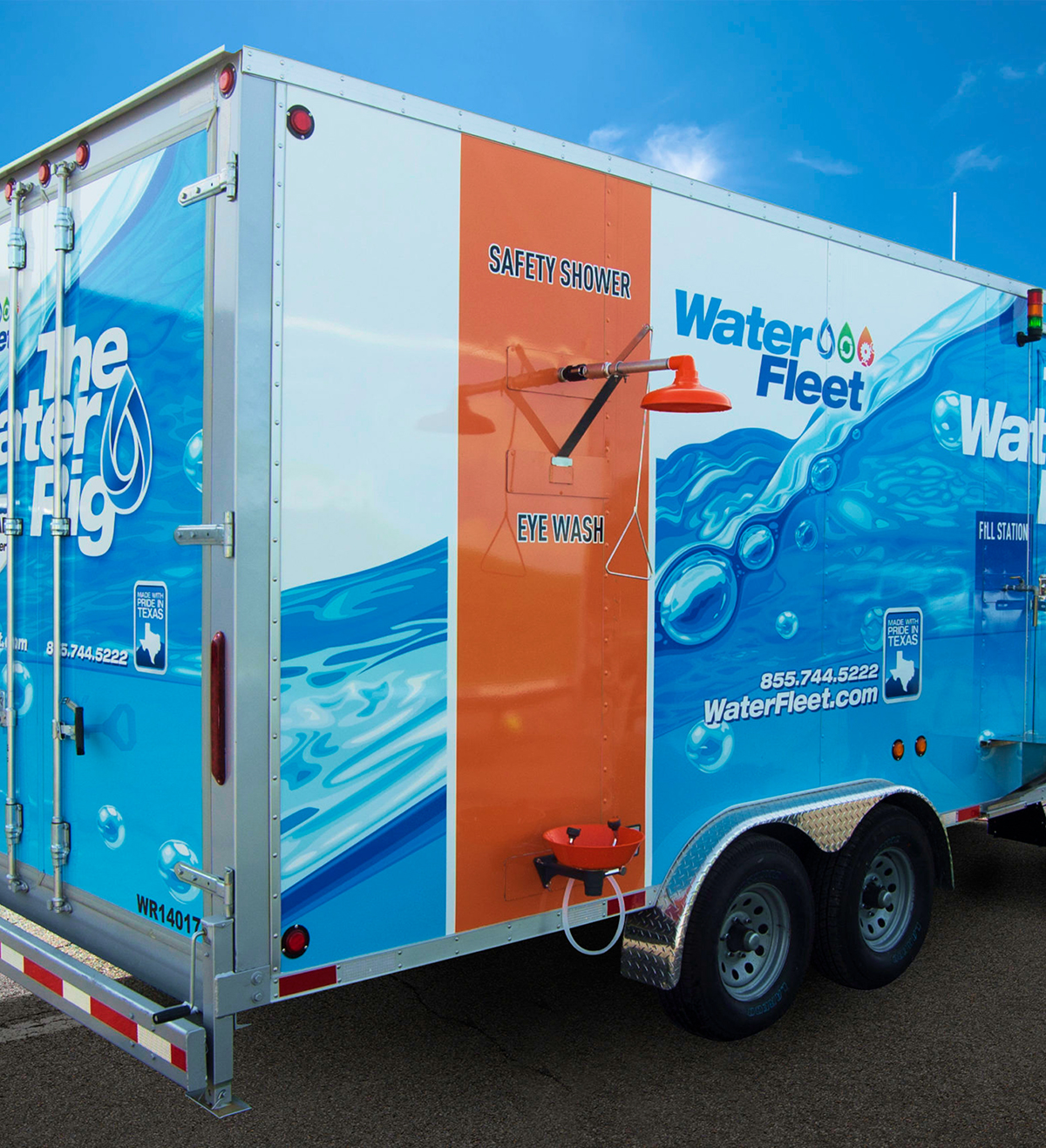
- Mobile water and wastewater treatment systems
- Onsite reuse capabilities
- Full permitting and regulatory support
- Continuous remote monitoring and service
- Reliable field operations expertise
Instead of managing water logistics internally, operators gain a fully integrated water utility service designed for remote environments.
The Future of Industrial Water Management
The industrial sector is rapidly shifting toward decentralized water infrastructure, where water is treated, reused, and managed locally rather than relying on distant municipal systems.
By capturing and treating wastewater onsite, handling the entire permitting process, and providing continuous remote monitoring and service, the right partner transforms water from a cost center into a strategic asset.

Recent Comments