
Is Sewage the Secret to Solving the Water Scarcity Issue?
Drought has been increasing globally in recent decades. A combination of heightened water demand, agricultural malpractice, and temperature rise; the problem is manmade and dangerous if left unacknowledged. As it stands now, reducing water usage is not enough. Water reuse can combat drought. Wastewater reclamation and reuse, a longstanding, but underutilized technology, seeks to extend the usage of water beyond its first role as potable water, reducing water demand and relieving stress on natural systems. The technology taking sewage and refiltering it for secondary use in non-drinking processes is baffling, but full of potential.
All About Drought
Increasing emissions are trapping heat inside the planet’s atmosphere, raising average temperatures each year. Global warming comes with a slew of meteorological consequences, more specifically, increased weather phenomena. Hurricanes, floods, blizzards (weird but true!), and, of course, drought.
Currently:
-
24 states in the U.S. are experiencing drought, affecting 70 million people and starving 90 million acres of cropland of water resources.
-
Drought affects only 1% of the global land area, but by 2100, 30% of land could be stricken by drought.
-
As emissions trends continue to rise, so does the risk of drought—not only impacting nature, but communities and economies as well.
-
Thousands of deaths occur each year in the U.S. due to drought, with an average annual cost of $8 billion.
Drought adaptation is greatly needed.
Water Reuse to the Rescue
Despite all its technical mechanics, water reuse is simple to understand. After water is extracted from source water, treated, and used for its first purpose (drinking, laundry, showers, etc.) it is then recollected by sewage piping and directed towards a waste treatment system. This is where the magic happens, as wastewater is transformed through various filtering processes into reusable water. While not suitable for direct human contact, the water is treated to be suitable and non-harmful for reuse, becoming usable for all sorts of processes including:
- Dust abatement
- Landscaping
- Toilet Flushing
- Industrial processing
- Drilling
But how does this reduce drought impact? By reducing water extraction from already stressed water sources and giving the water we have multiple uses, the “life cycle” of water is extended. Thus reducing the strain on crucial surface and groundwater sources and ultimately allowing water demands to be met while reducing drainage. This gives natural systems more time to recover, and more untouched water to be provided to a waterbody’s dependent organisms.
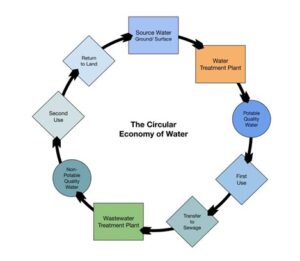
Credit: Raegan Kripal
Obviously, water reclamation cannot bring more rain to an area, but it can make what rain we do get, count for more. When properly balanced with the right treatment processes, cost, quality, and the planet need not be compromised. Keeping homes and businesses adapted to critical conditions, water reuse is a novel technology capable of saving lives and ecosystems in the face of worsening drought conditions.
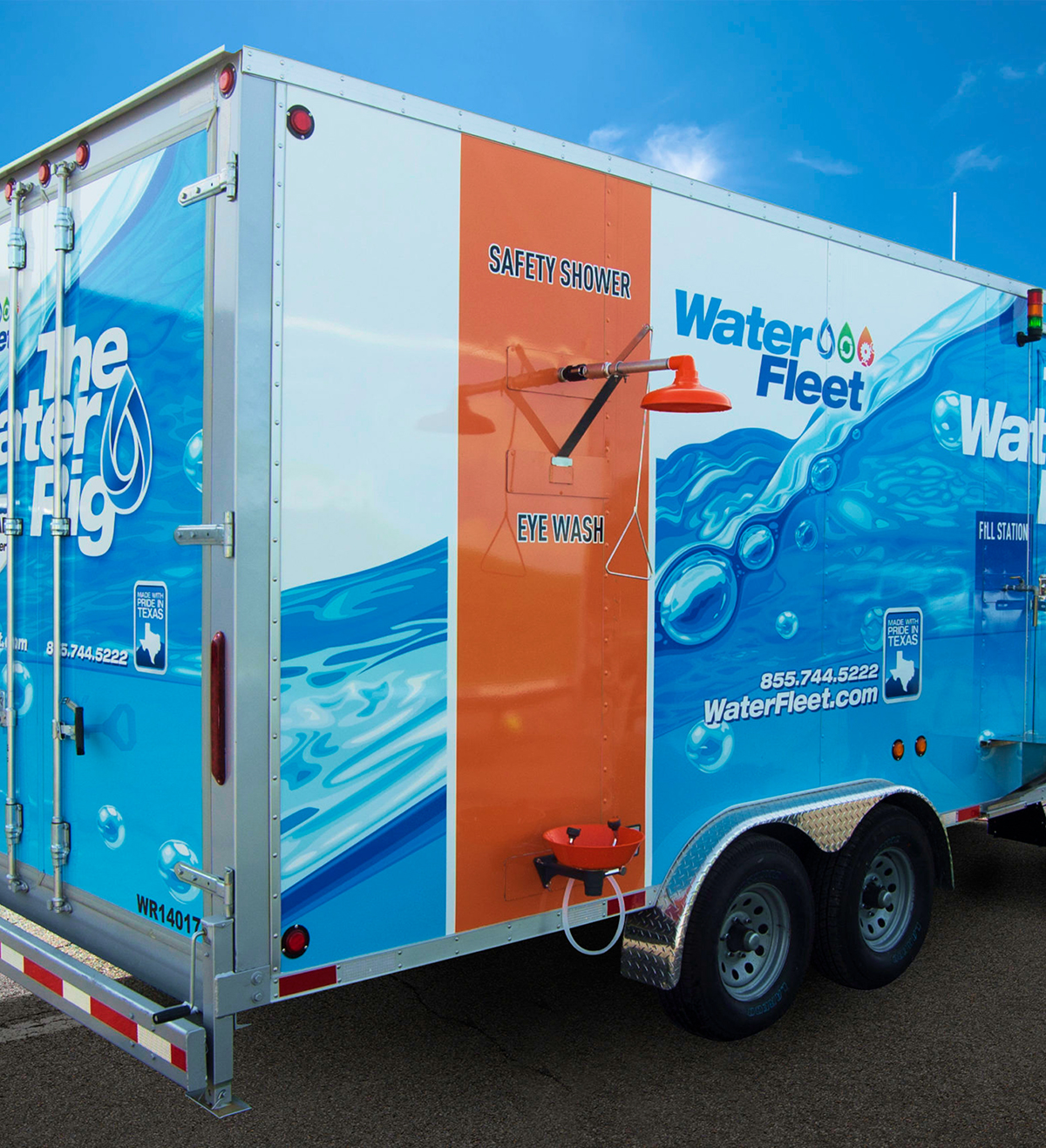
WaterFleet’s patented wastewater treatment system produces non-potable water for onsite usage no matter the location. Exceeding quality standards and highly applicable to any industry, our systems make water reused easy and cost effective.
Written by: Raegan Kripal, Sustainability Intern

Recent Comments